Psyche
Baring the Soul
In the beginning was the Word, and the Word was God. And God said, “Let there be Light.”
Science has proven that everything is made of light.
Perhaps it was inevitable, then, that when the daguerreotype first made a likeness permanent, we would wonder if it had taken something more.
When the art of photography was first introduced in Paris in 1839, the idea that a device could record your exact appearance was profoundly uncanny.
Before the camera, an image of you required another to interpret you — to draw you, paint you, or sculpt you.
A photograph was different. It seemed to take something directly from reality.
The camera did not merely depict you. It appeared to take you.
This strange power gave rise to one of art’s earliest and most enduring superstitions: that a photograph could take something of the soul with it.
This superstition has never been scientifically proven — but as philosophy, I have always found it difficult to dismiss.
Because what is a photograph, if not a fragment of light captured in a moment? And what are we, if not light temporarily given form?
In one form or another, art has always been an attempt to leave something behind.
Film captures light moving through time. A recording carries the vibration of voice. Writing gives form to our thoughts.
Each carries something of us beyond the moment in which it existed.
Perhaps that is why being photographed can feel so intimate.
To be seen is one thing.
To be captured is another.
And there is something particularly intimate about allowing yourself to be captured.
My public work is only what I choose to show the world. Here, I bare more of myself than anywhere else. This includes all of my nude work.
But the body is only the beginning.
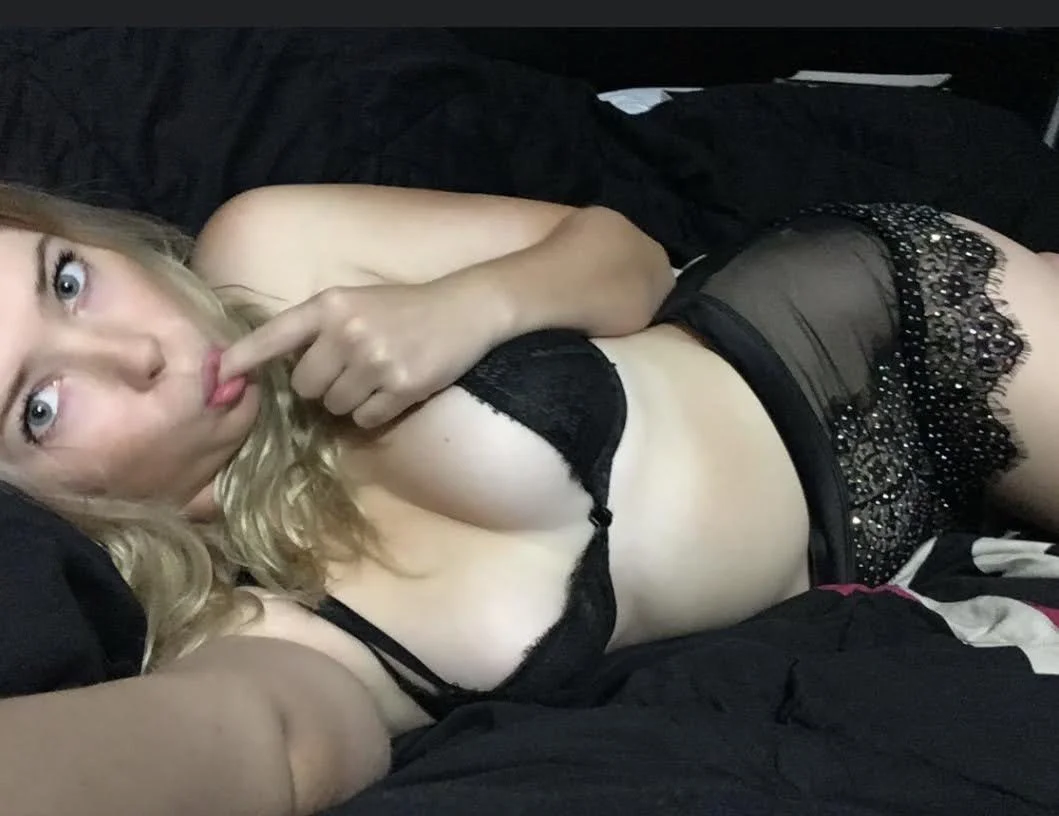
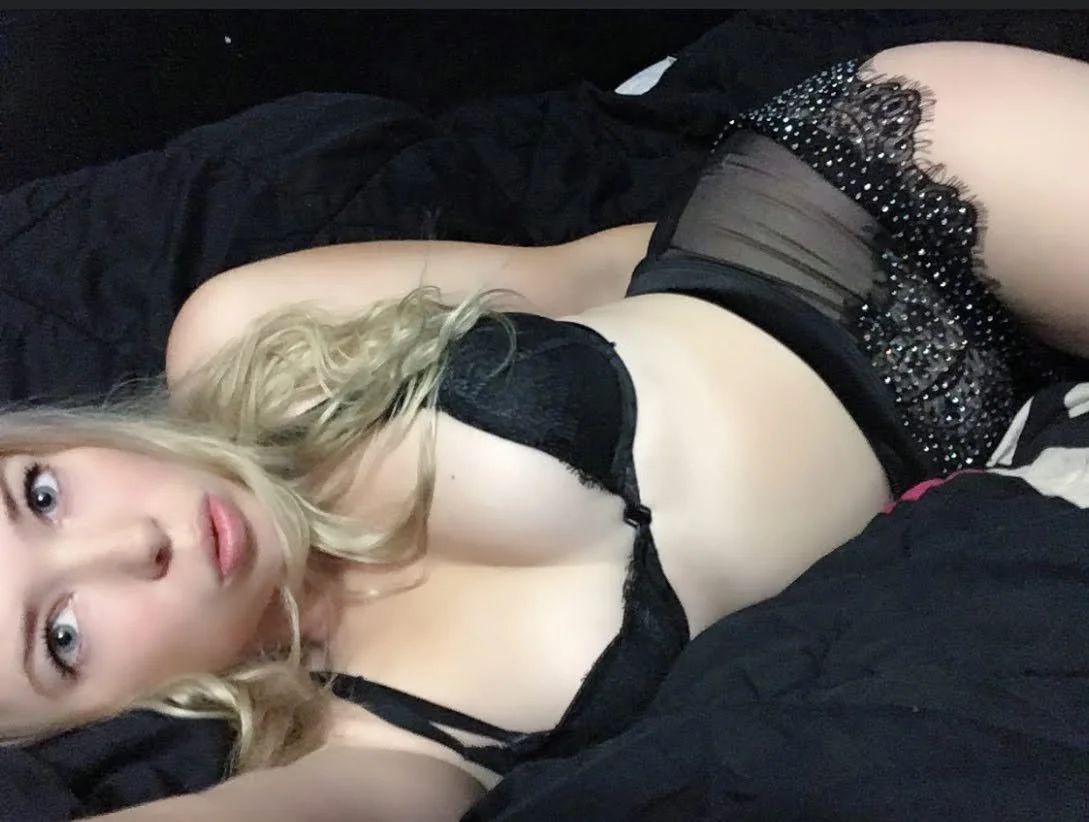
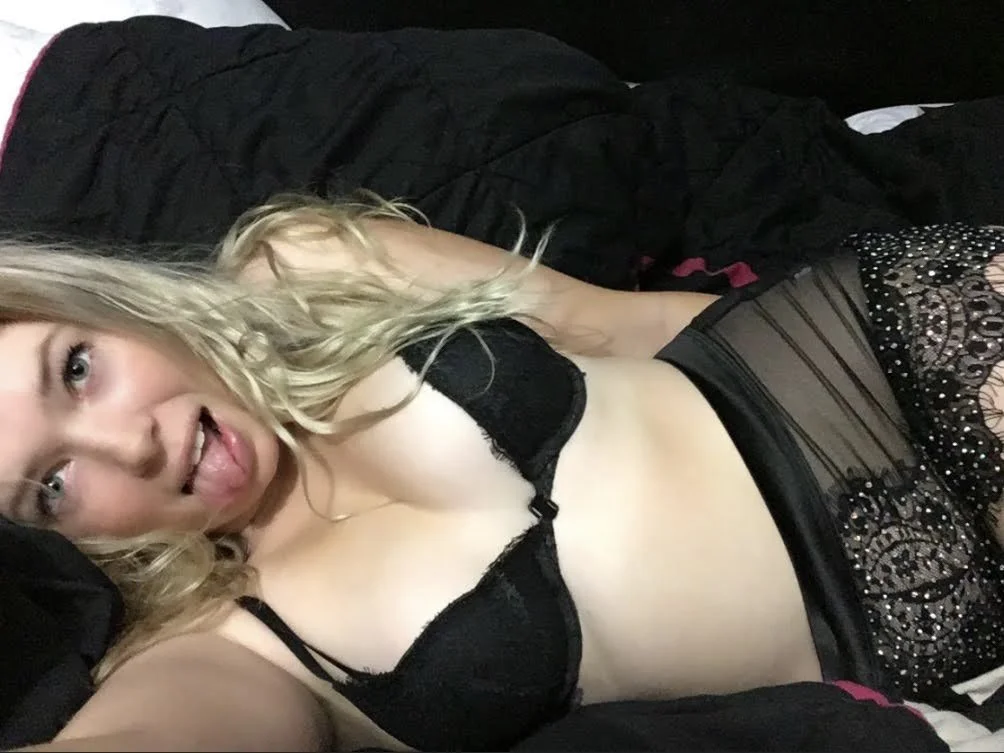
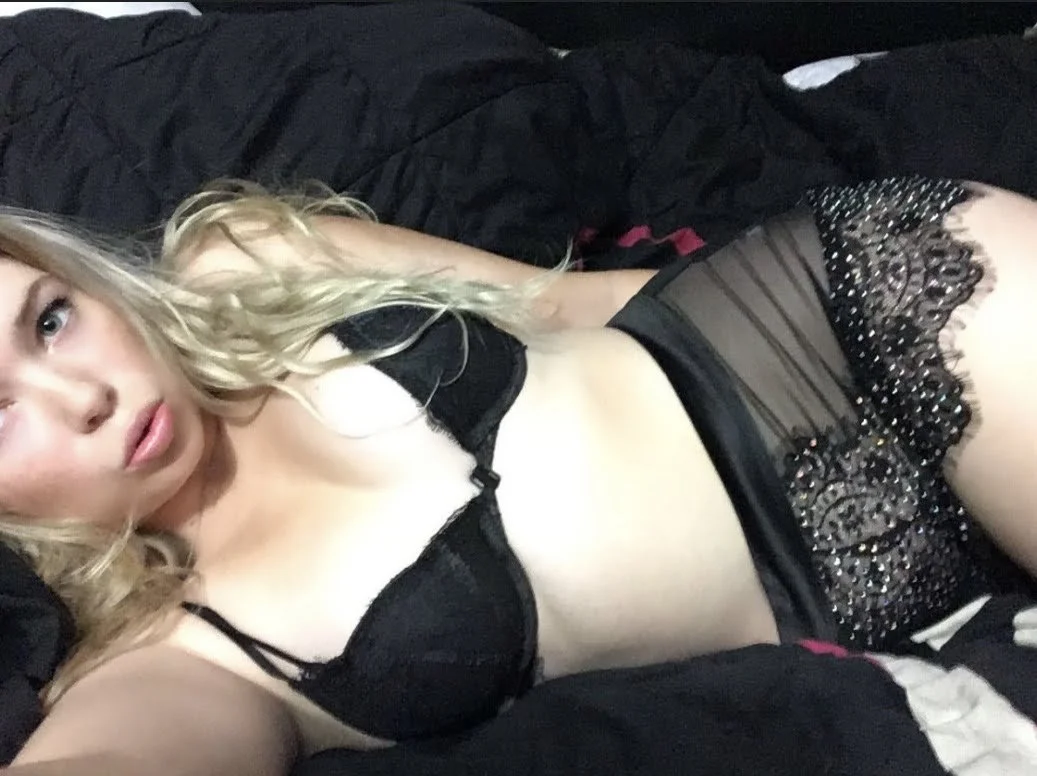
Here, I also share the things beneath the image: my imagination, my desires, my thoughts, my experiences, and the parts of my life I choose not to leave exposed to the world outside.
And because so much of my art is erotic by nature, this is also where I share the work that goes beyond what I can release for general or underage audiences — the things that are too intimate, too erotic, or simply too uncensored for non-adult consumption.
That is what I mean by baring the soul.
Divine Flesh is not merely a place where I show more skin. It is where I allow more of myself to be seen.
The woman behind the image. The artist behind the work. The thoughts, desires, stories, and experiences that rarely make their way into public view.
And if light is what the camera captures, then my Warriors of Light are the ones who get to see it.
The 144,000 are not simply an audience. They are my holy army — the people permitted to witness more of my light than I reveal to the world at large.
Their support makes the creation possible.
So, if the camera really does capture a fragment of the soul, then this is where I choose to leave some of mine.
“It may have been in pieces, but I gave you the best of me.”
— Jim Morrison