Review: Czech New Wave Gothic Retelling — The Virgin and the Monster (1978)
“When you dream about my likeness, you create it. The more ardently you dream, the sooner you will see me. And I will resemble your dream.”
— The Virgin and the Monster
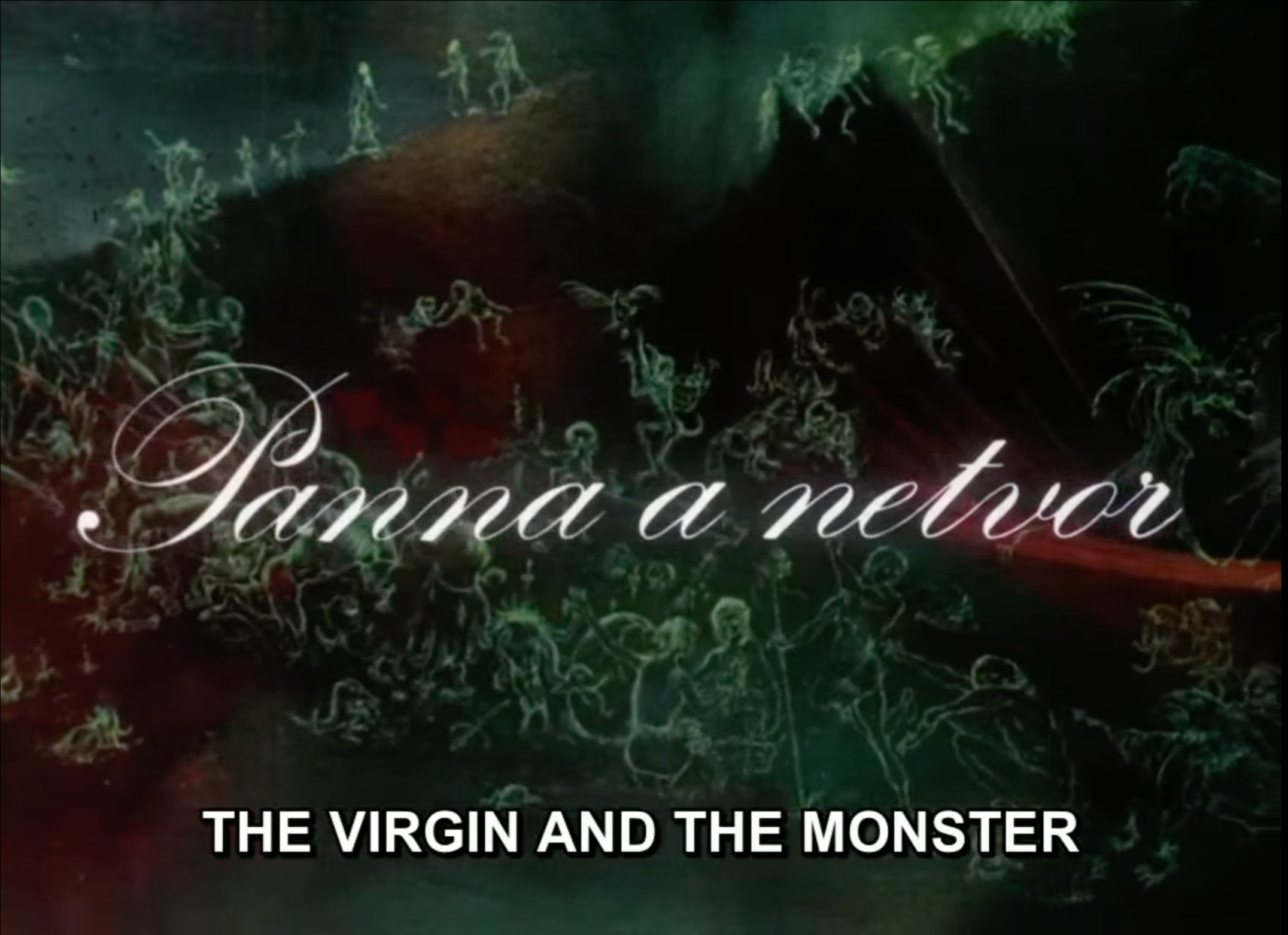
I didn’t so much discover The Virgin and the Monster (1978) as stumble into it by way of another film — on Halloween night, when the veil feels thinnest. It would be my last Halloween with my witches’ familiar, Nadiya, the beauty to my beast and the beast to my beauty.
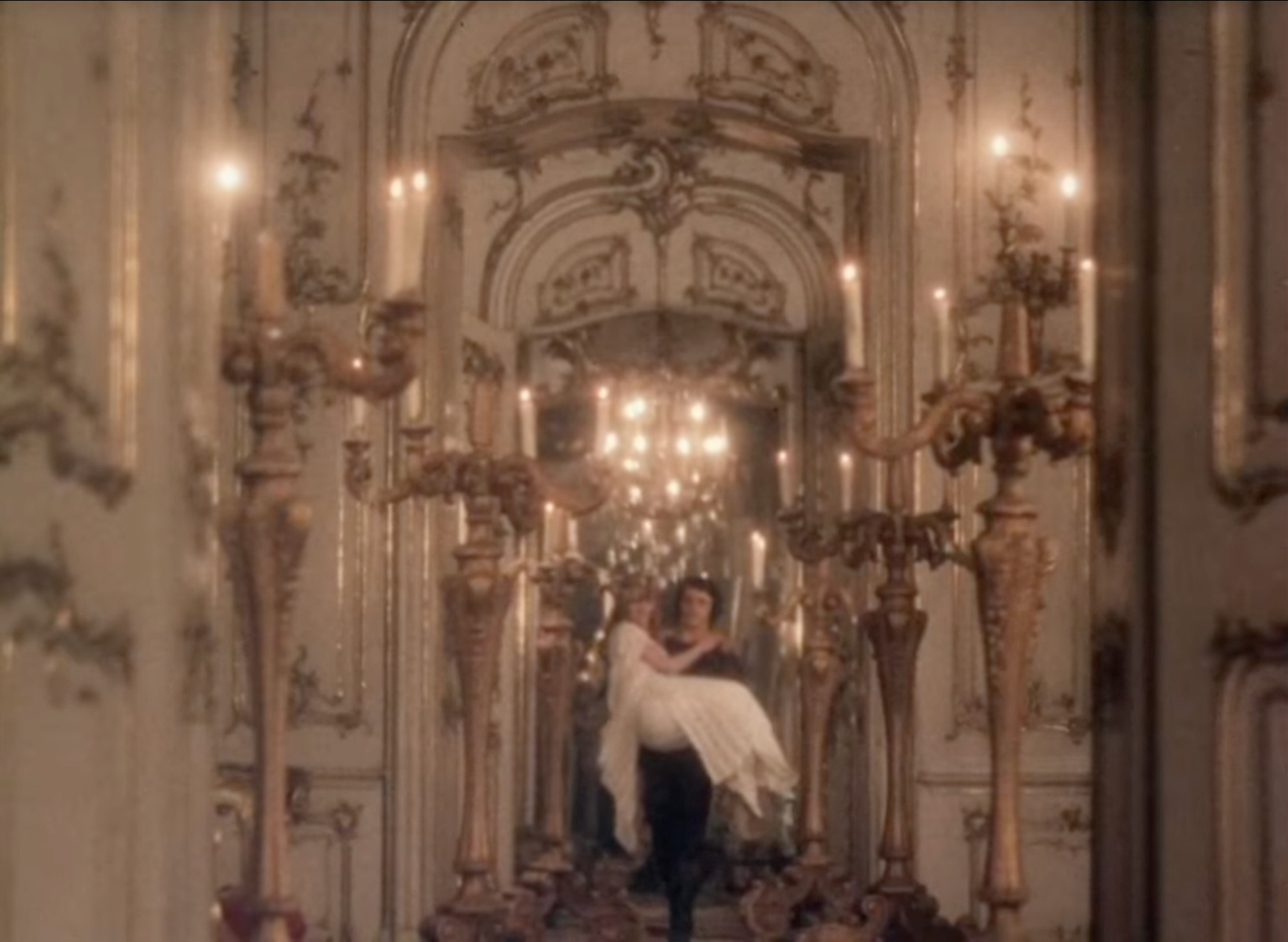
The lavish sets that first caught my eye in The Ninth Heart (1979) were, in fact, originally constructed for this earlier production. Designed by architect Vladimír Labský, the castle interiors were so opulent that the studio required their reuse in a second production to justify the expense.
What the director does with these spaces, however, is entirely his own. His version of Beauty and the Beast becomes a fevered meditation on devotion and dread — a story less about transformation than about what must be surrendered in order to love, or to remain human at all.
Upon viewing, The Virgin and the Monster has become one of my favorite films. Although it emerged in the late 70’s from the Czech New Wave and was directed by a Slovak filmmaker, its message seems as if it were made more for this moment than its own.
In an era increasingly preoccupied with the consequences of unchecked masculinity, the film offers a mythic articulation of the same dilemma: the masculine principle must relinquish its animalistic impulses if it hopes to love without destroying what it desires.
Upon its release, The Virgin and the Monster was met with discomfort rather than acclaim. Its erotic charge and psychological severity led some critics to label it “the darkest retelling of Beauty and the Beast in cinema,” a reputation that has lingered for decades. Seen now, that reaction feels less like an accurate assessment than a symptom of its times.
Prescient Rather Than Perverse
What once unsettled audiences reads, in retrospect, as a work ahead of its time — less invested in provocation than in articulating an ethic of intimacy transgressive to the cultural conversation of the 70’s and 80’s.
sHe
Loves Me
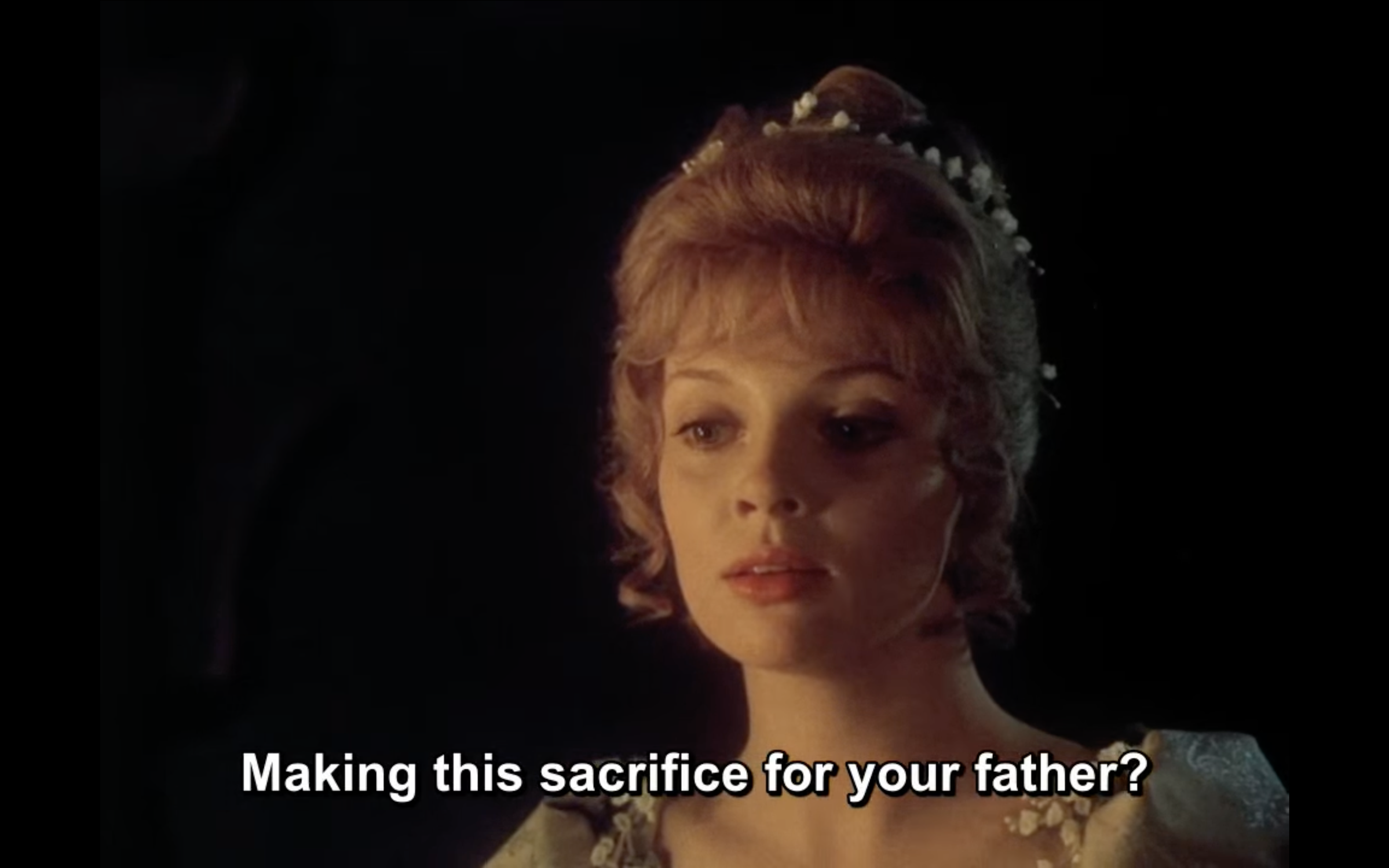
“First was the word,” and so, quite biblically, words are my first love. The dialogue in this film carried both weight and elegance. I loved that the Monster wasn’t the typical furry beast we’ve seen a hundred times before, but rather an avian creature — “not bird, not beast, not man.” One that invoked a kind of Dr. Jekyll and Mr. Hyde, battling the demonic part of himself that thirsts for her blood in secret.
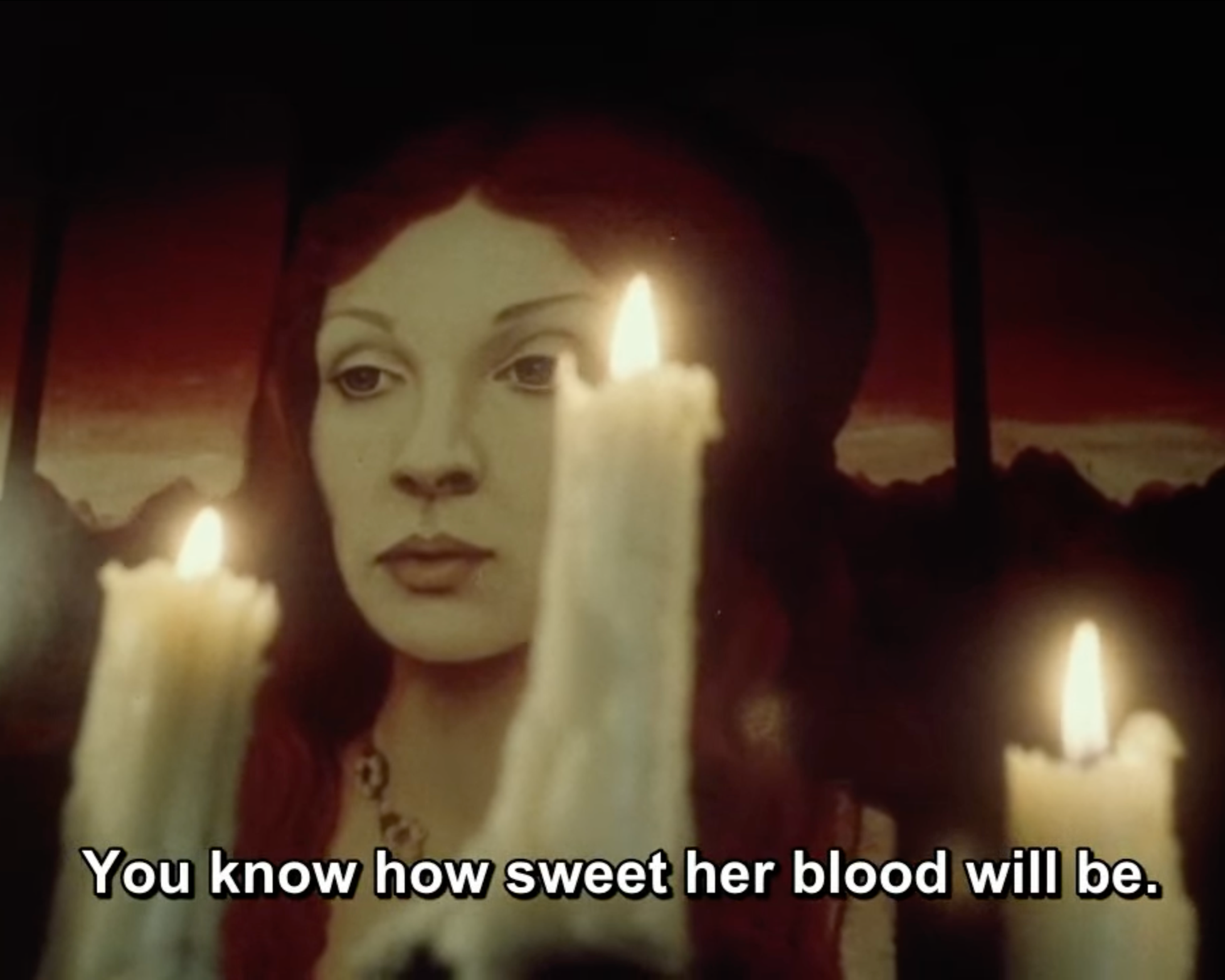
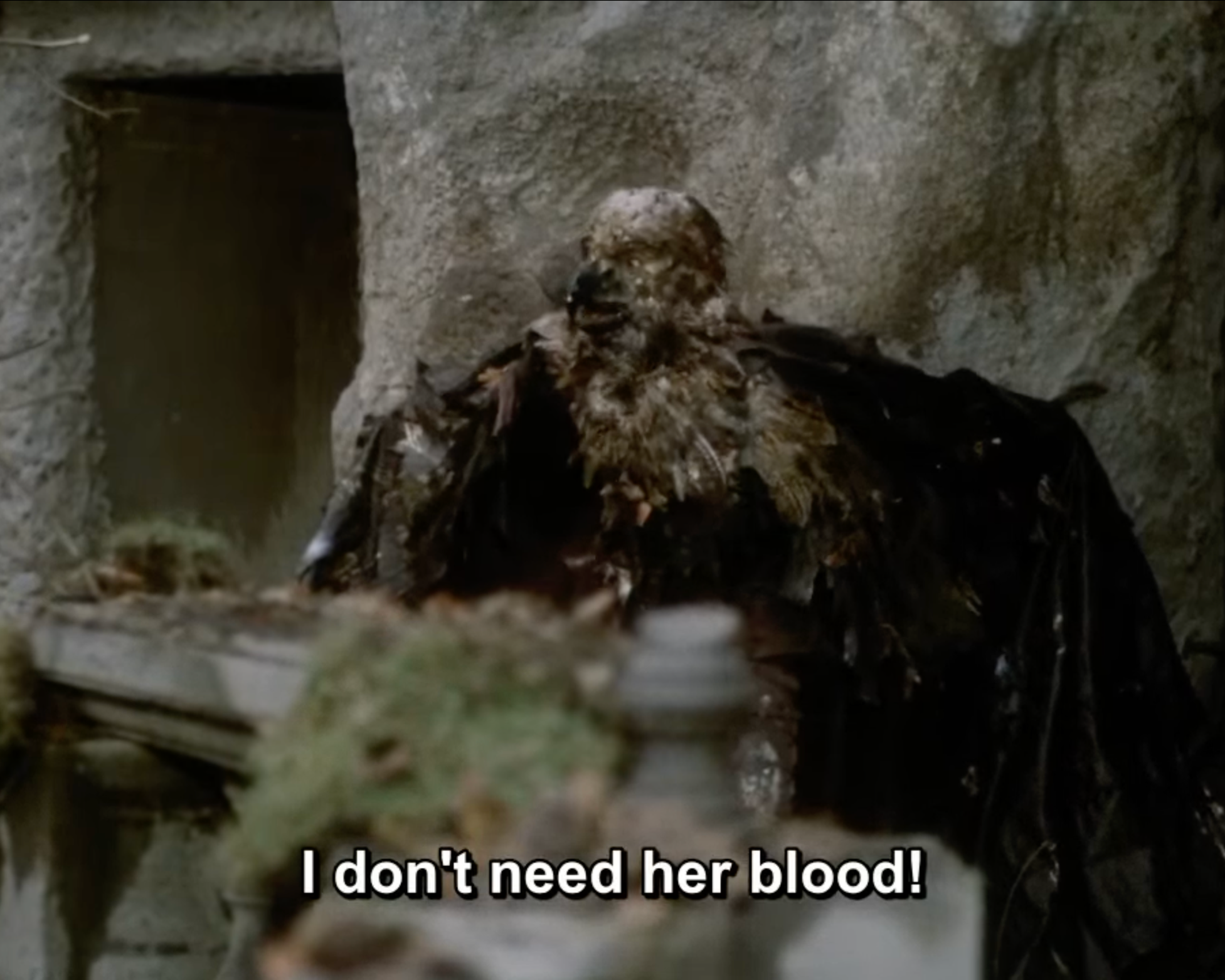
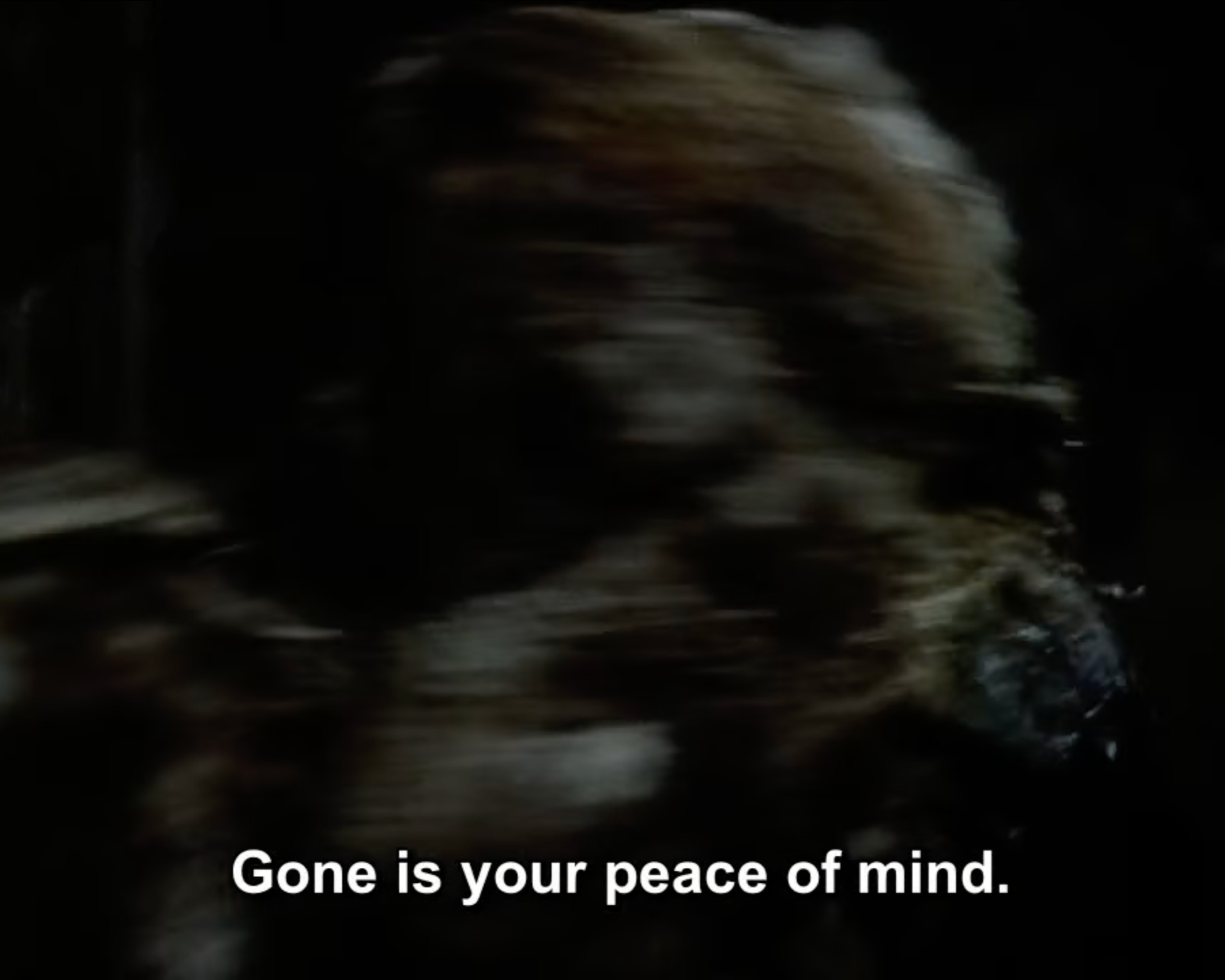
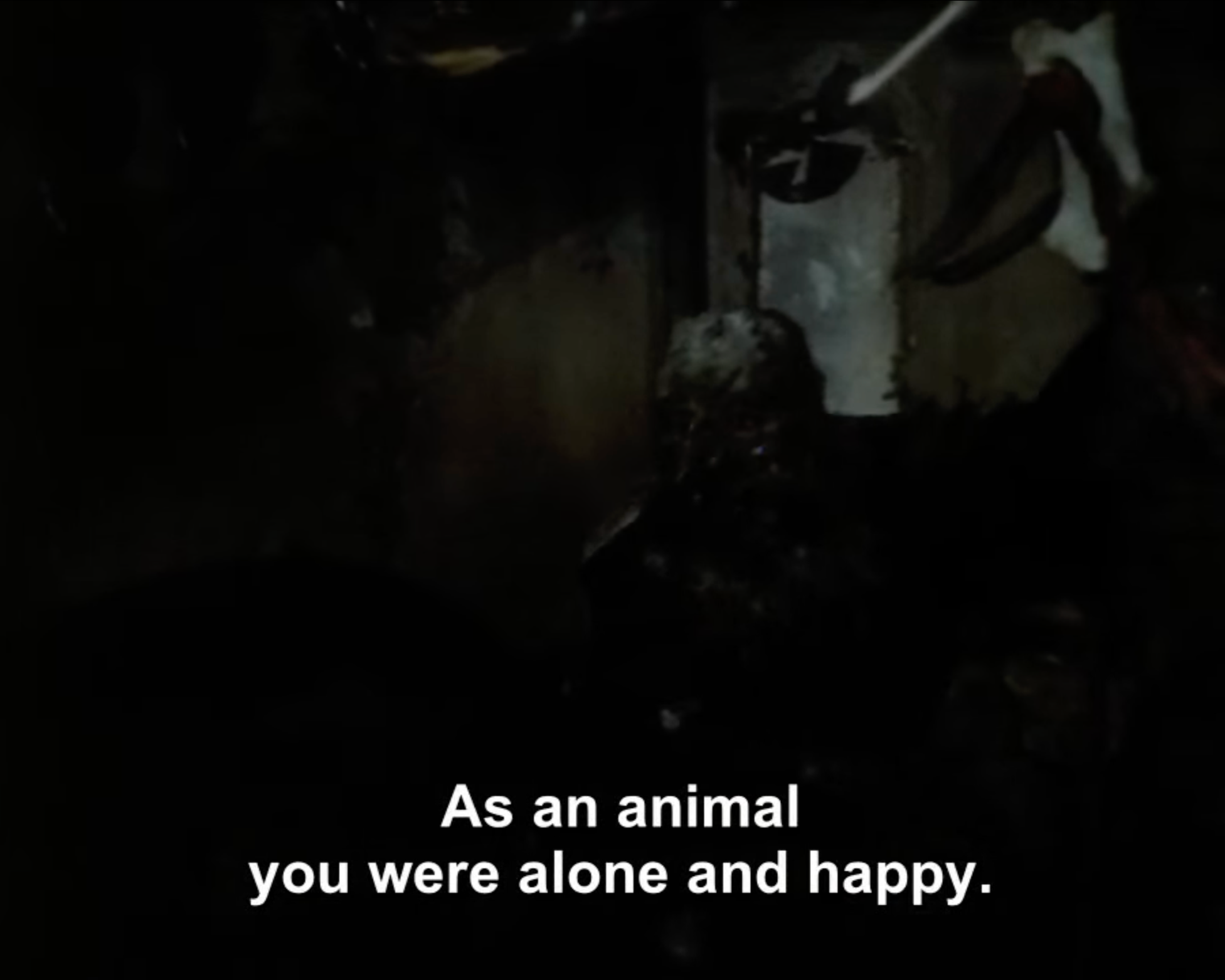
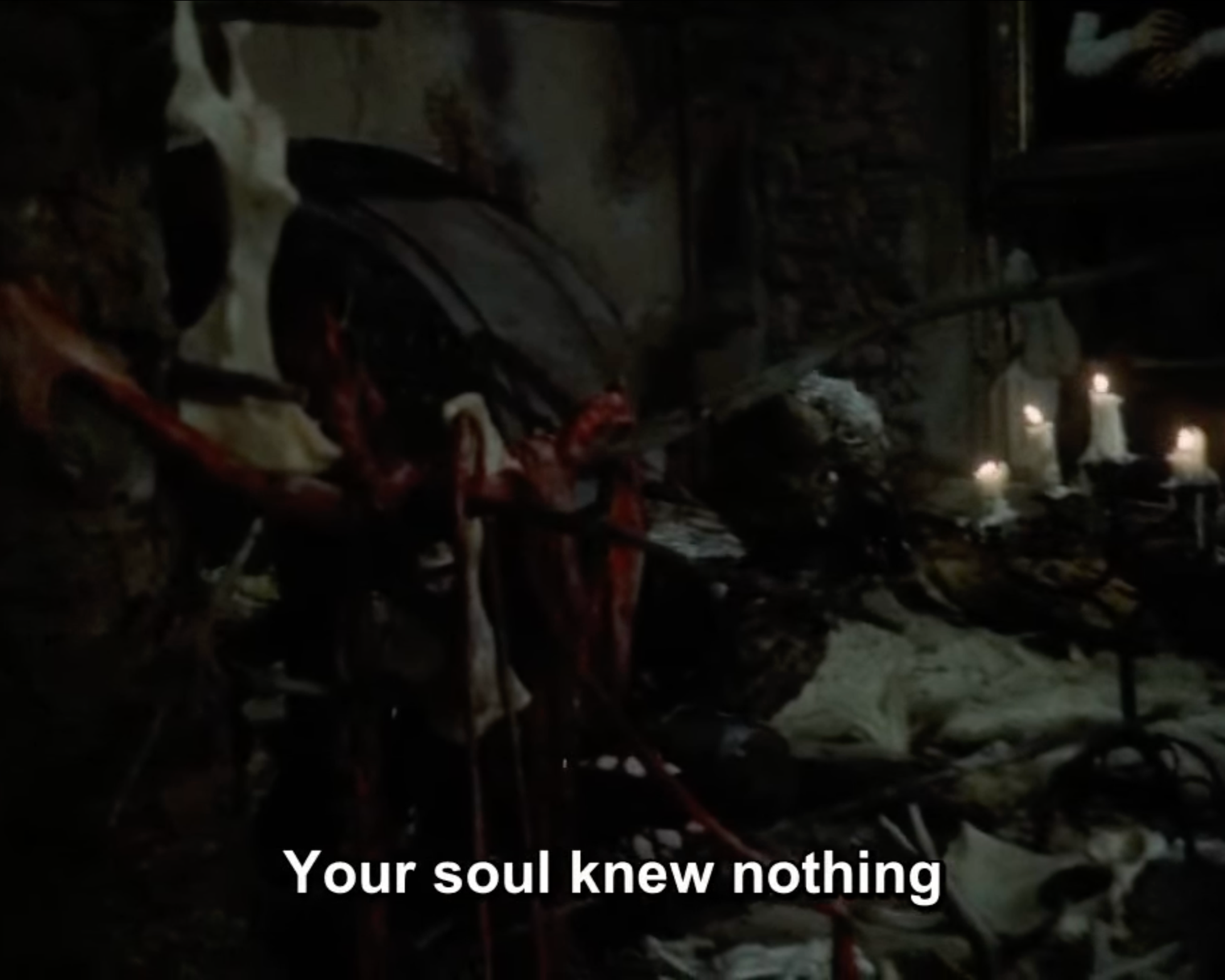
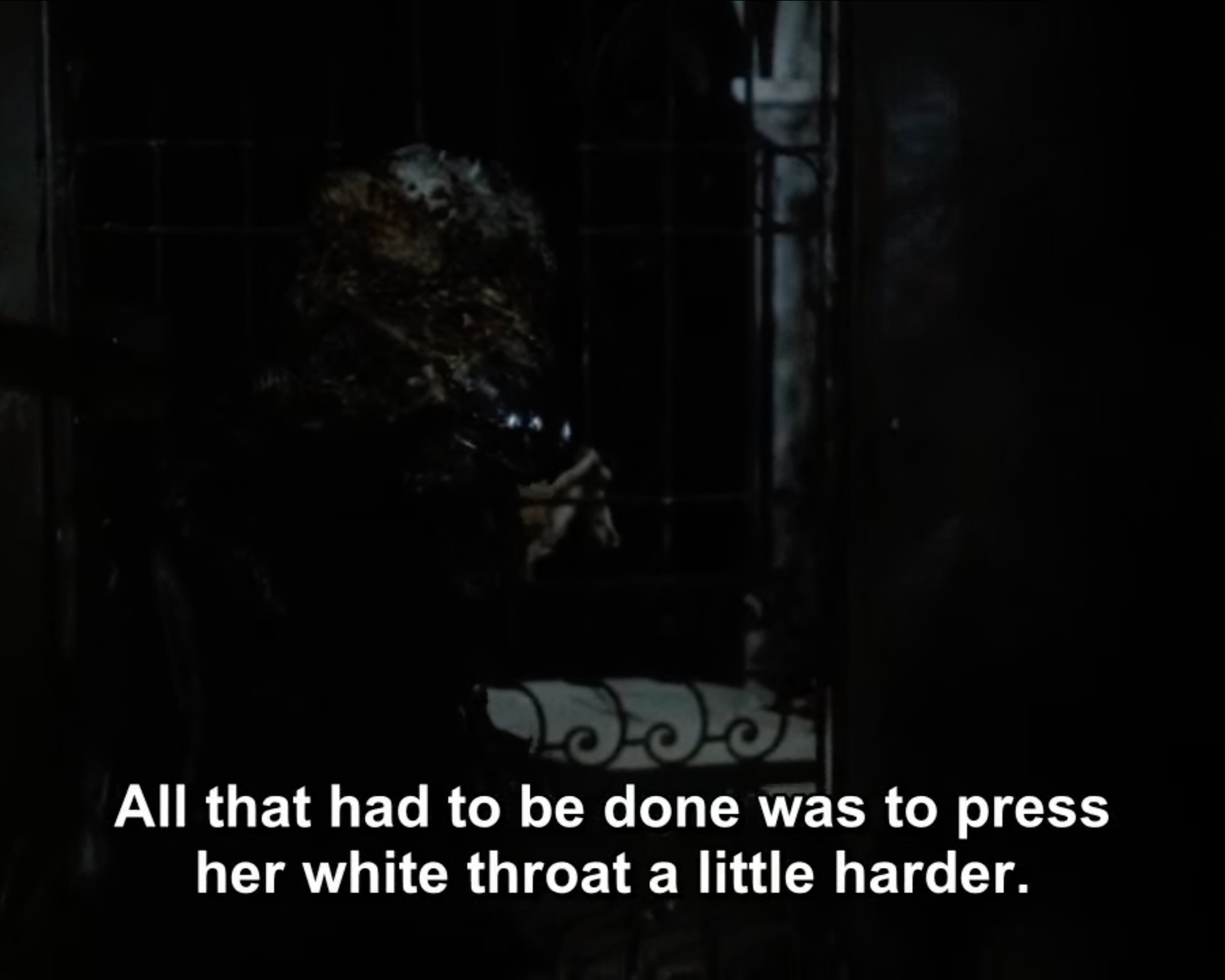
The design felt both mythic and original. This craving for blood sharply distinguishes the male lead from familiar renditions of the Beast from earlier retellings. The Monster does not merely want Beauty; he thirsts for her in the most literal sense, binding the storyline less to werewolf mythology than to that of the bloodsucking vampire — where desire is intimate, secretive, and all-consuming.
This choice feels both deliberate and culturally resonant. In a region so geographically close to Romania, where vampire folklore is woven deeply into the collective imagination, the intrusion of blood as the central temptation feels inevitable.
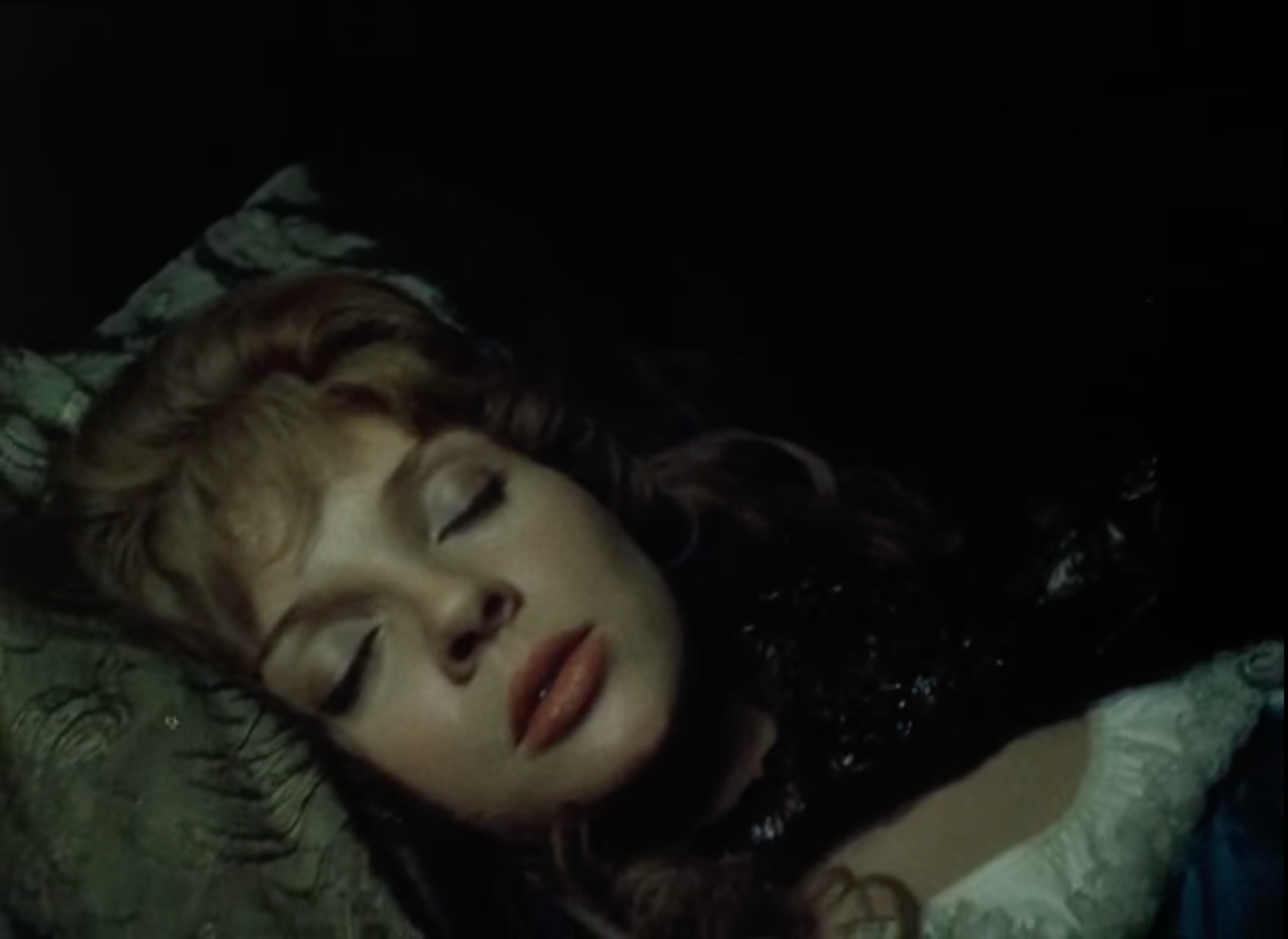
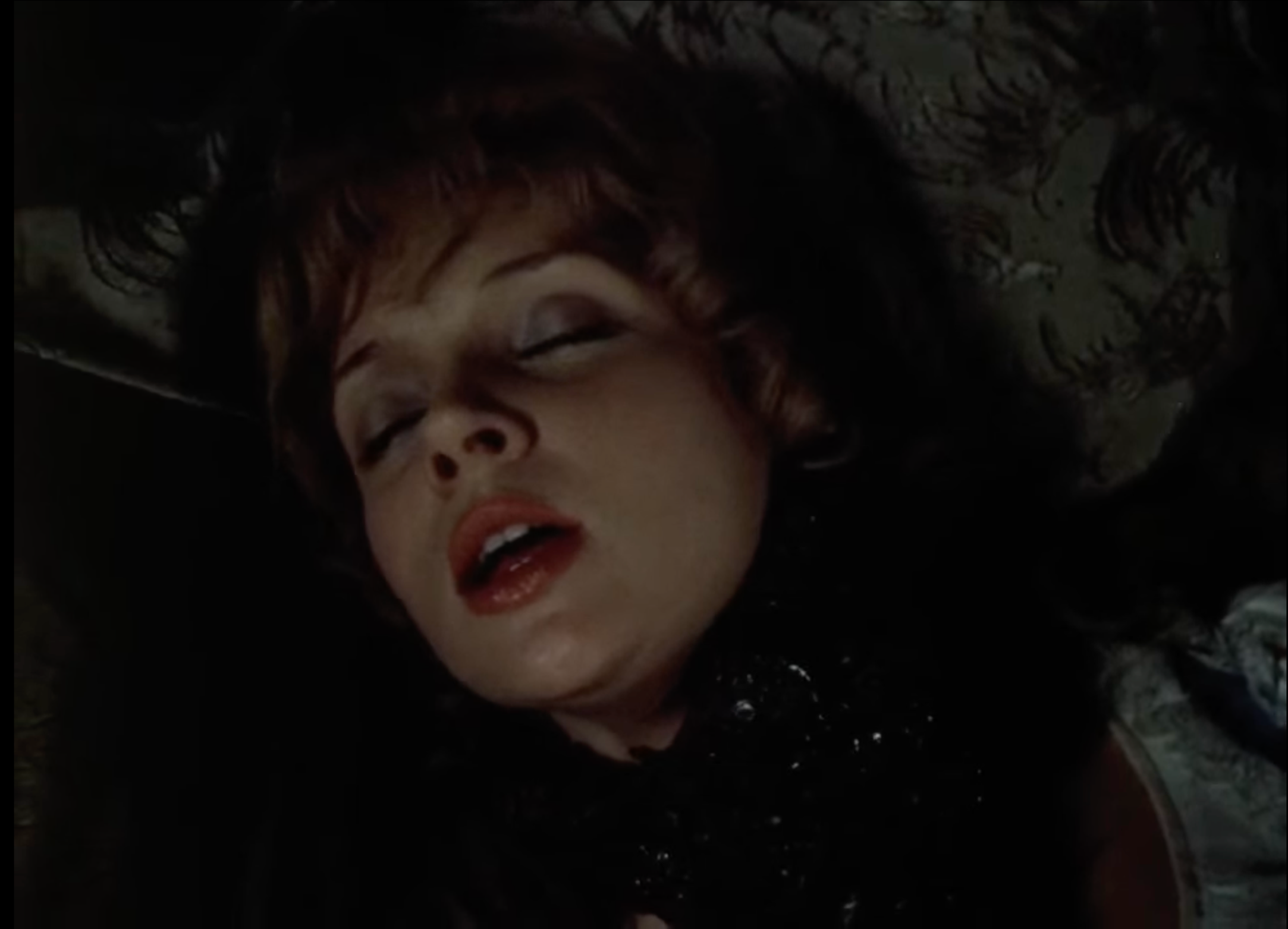
"Beauty and the Beast is a fabric of illusions, a game of outward physical appearances and the ways in which they correspond (or do not correspond) to the truths of the human soul. Like any actor in any film, the Beast woos us by convincing us he is (and is not) the thing that he appears to be. Like any star on any screen, Beauty journeys from realms of brightest light to deepest darkness – but preserves (and never loses touch with) the essence of who she is."
— Sense of Cinema
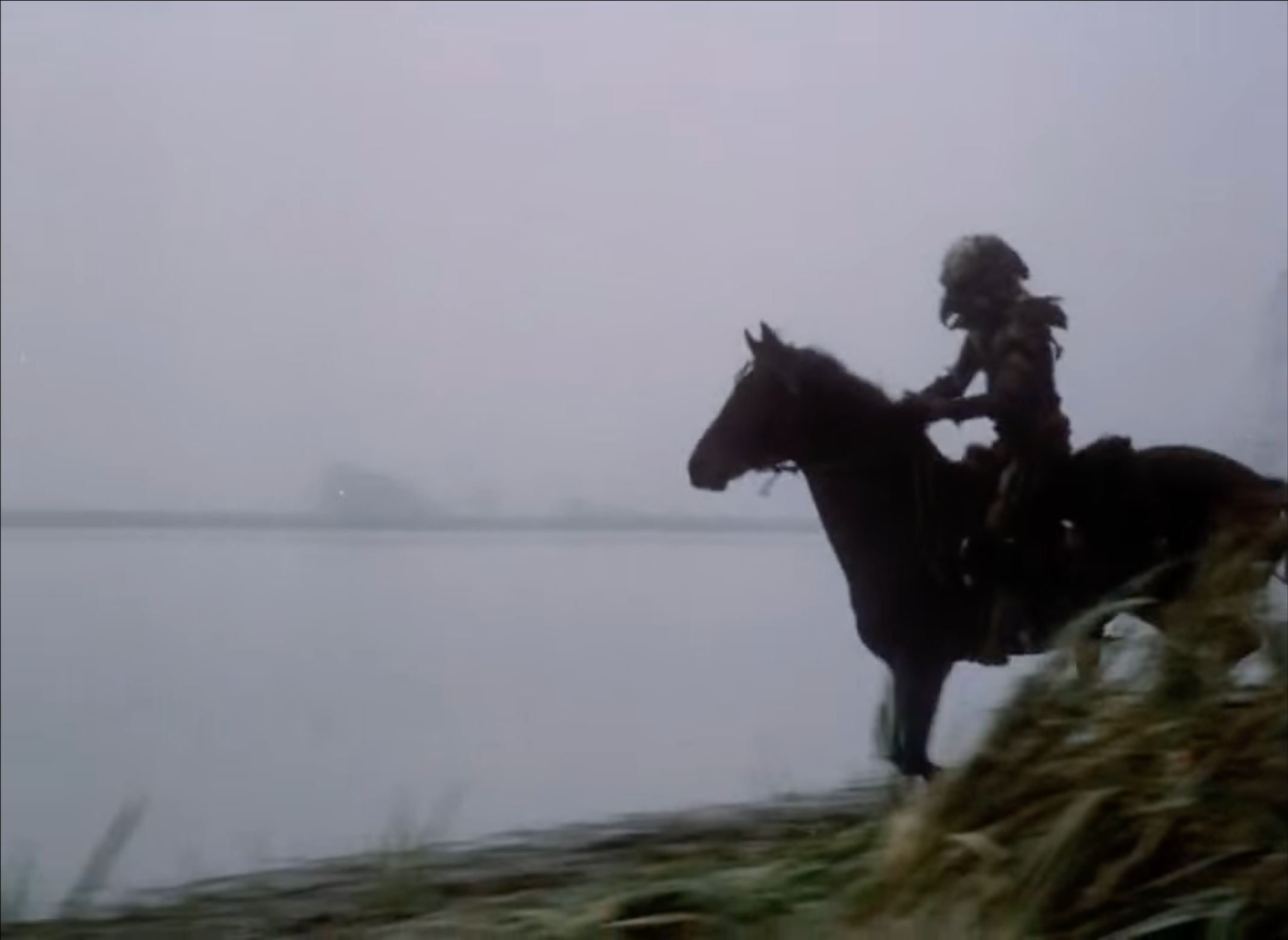
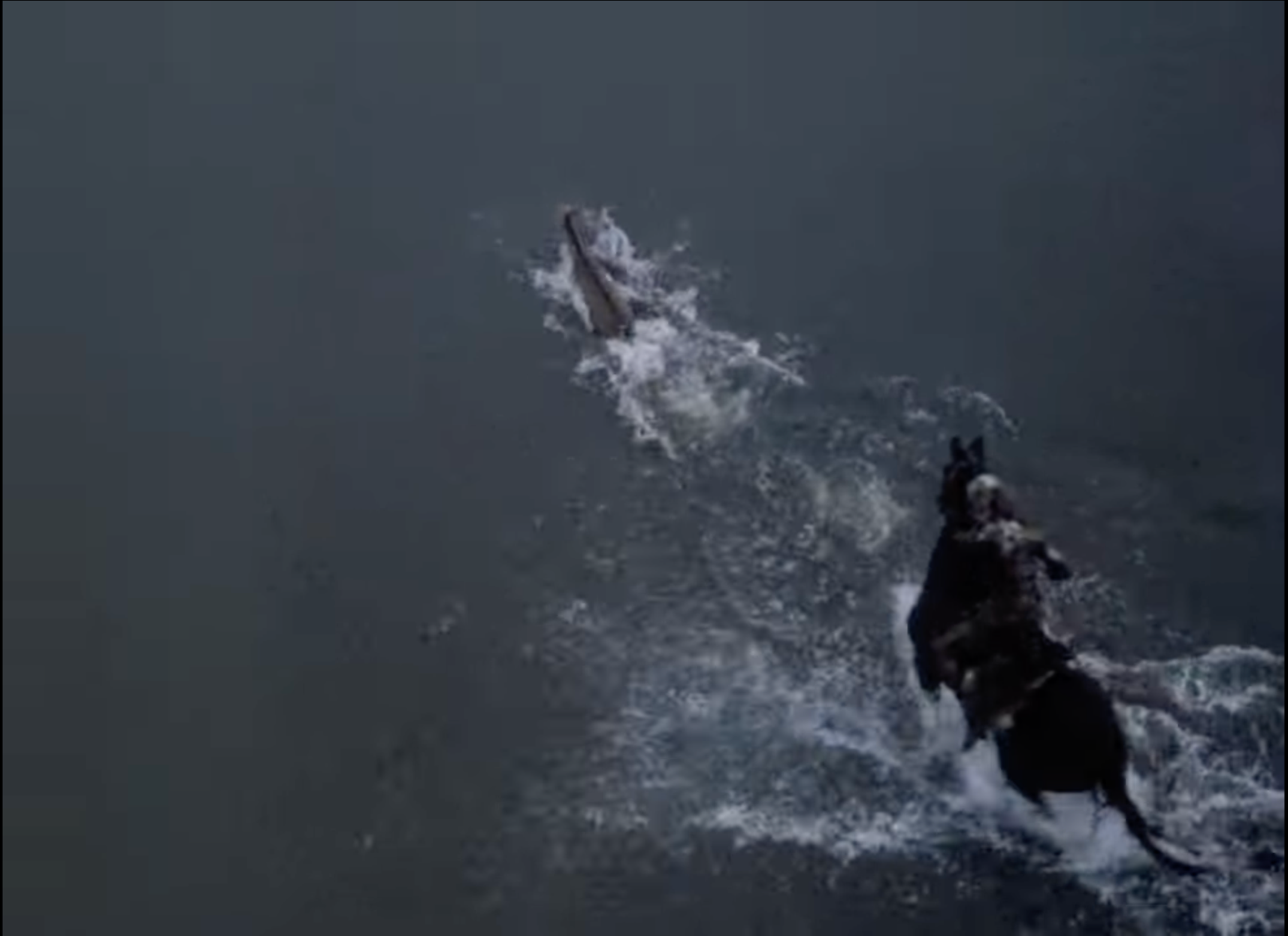
The result is something distinctly occult in tone — a dark, esoteric undercurrent that transforms the fairy tale.
In contemporary terms, the Monster begins to resemble what we now describe as an energy vampire: a figure whose closeness comes at a cost. What makes the film so compelling is its insistence that love cannot survive when consumption replaces reciprocity.
Not only a physical threat, but an emotional one.
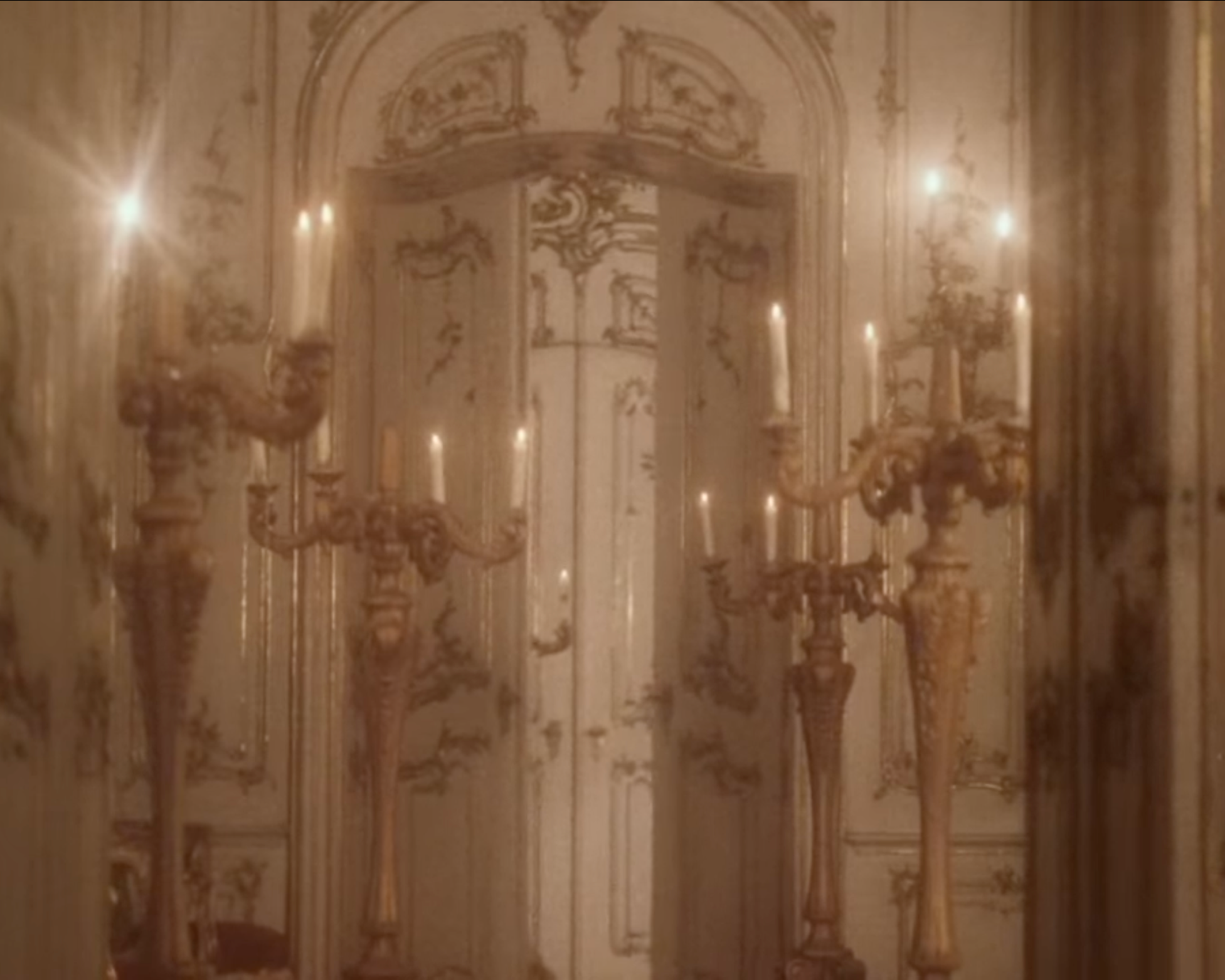
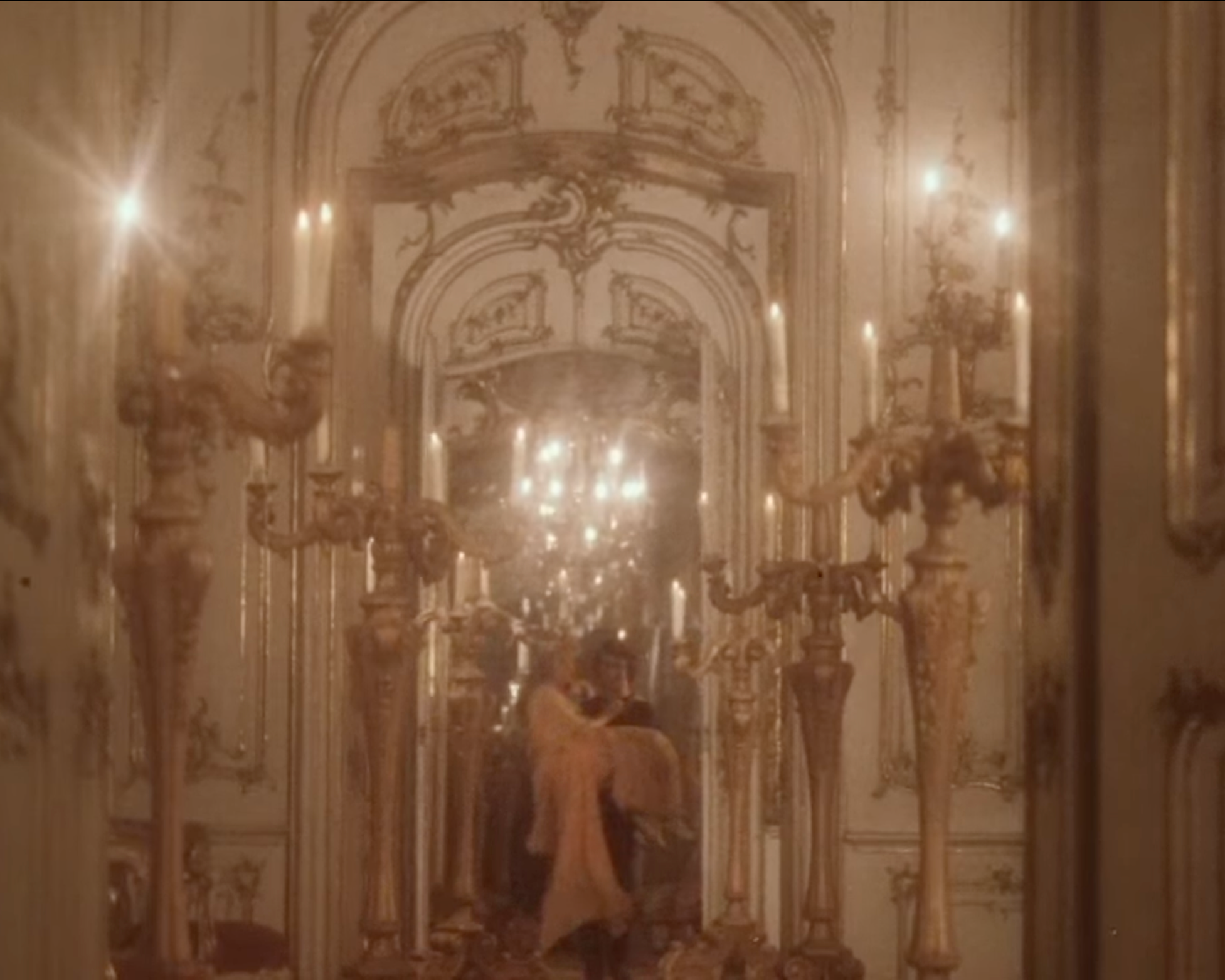
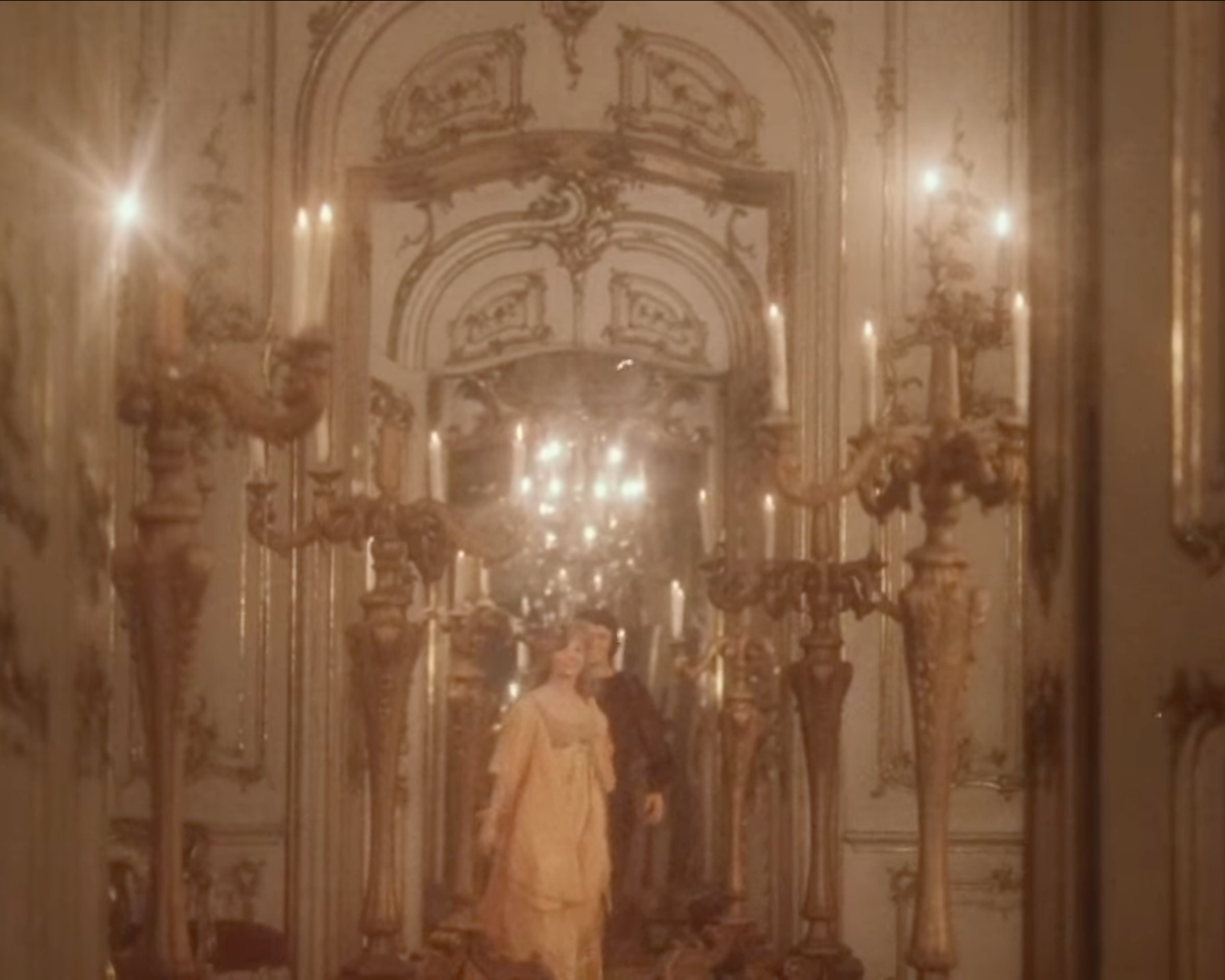
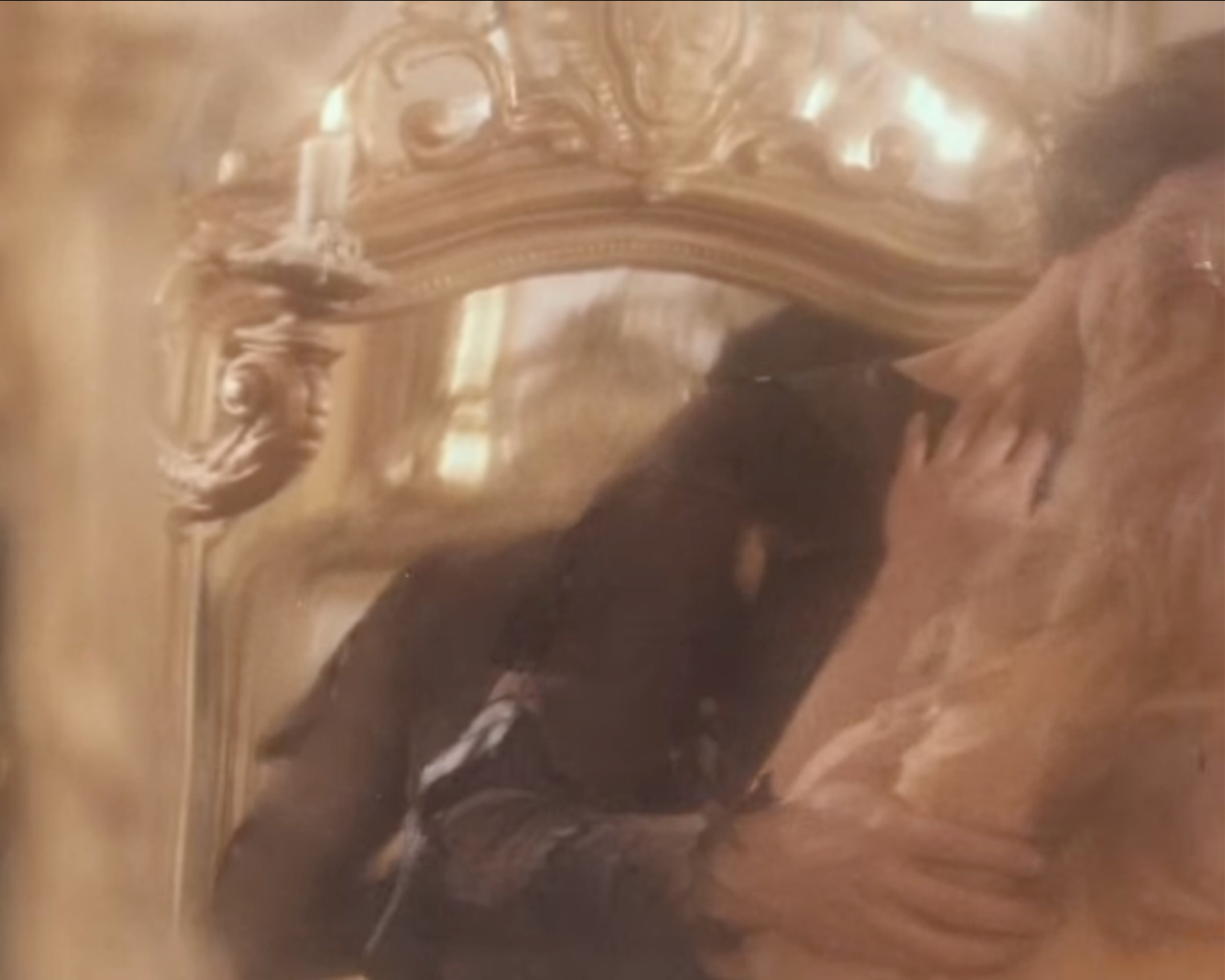
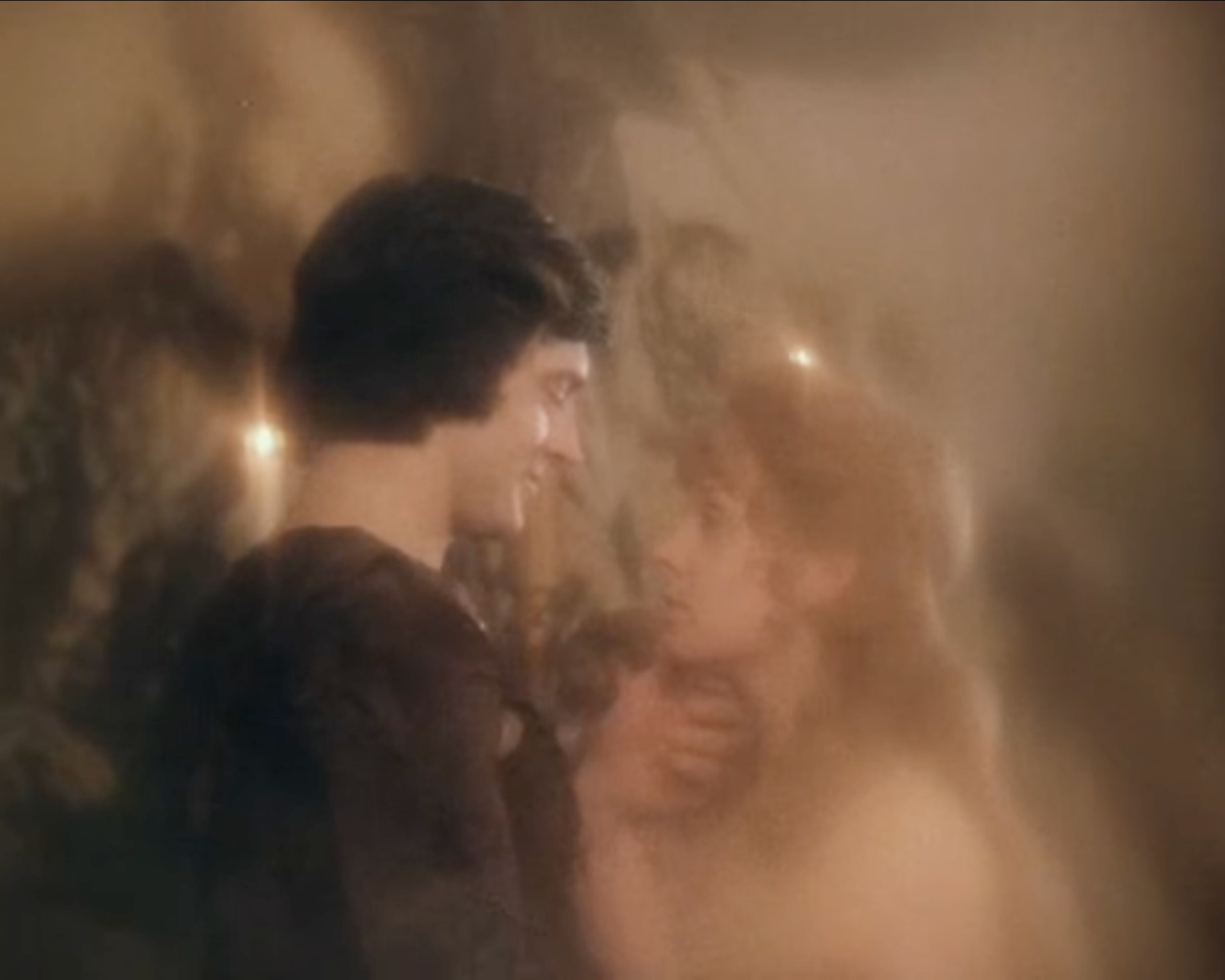
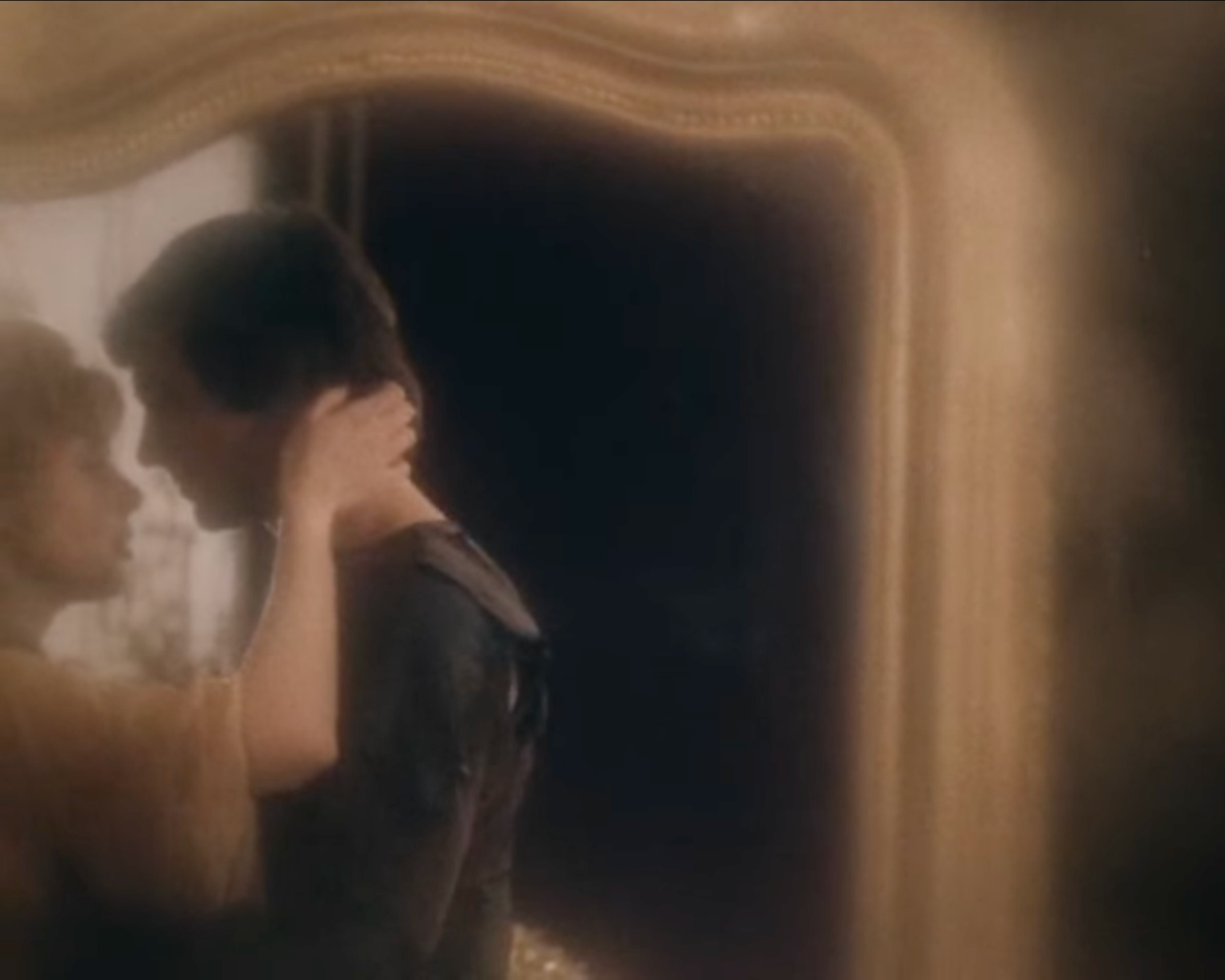
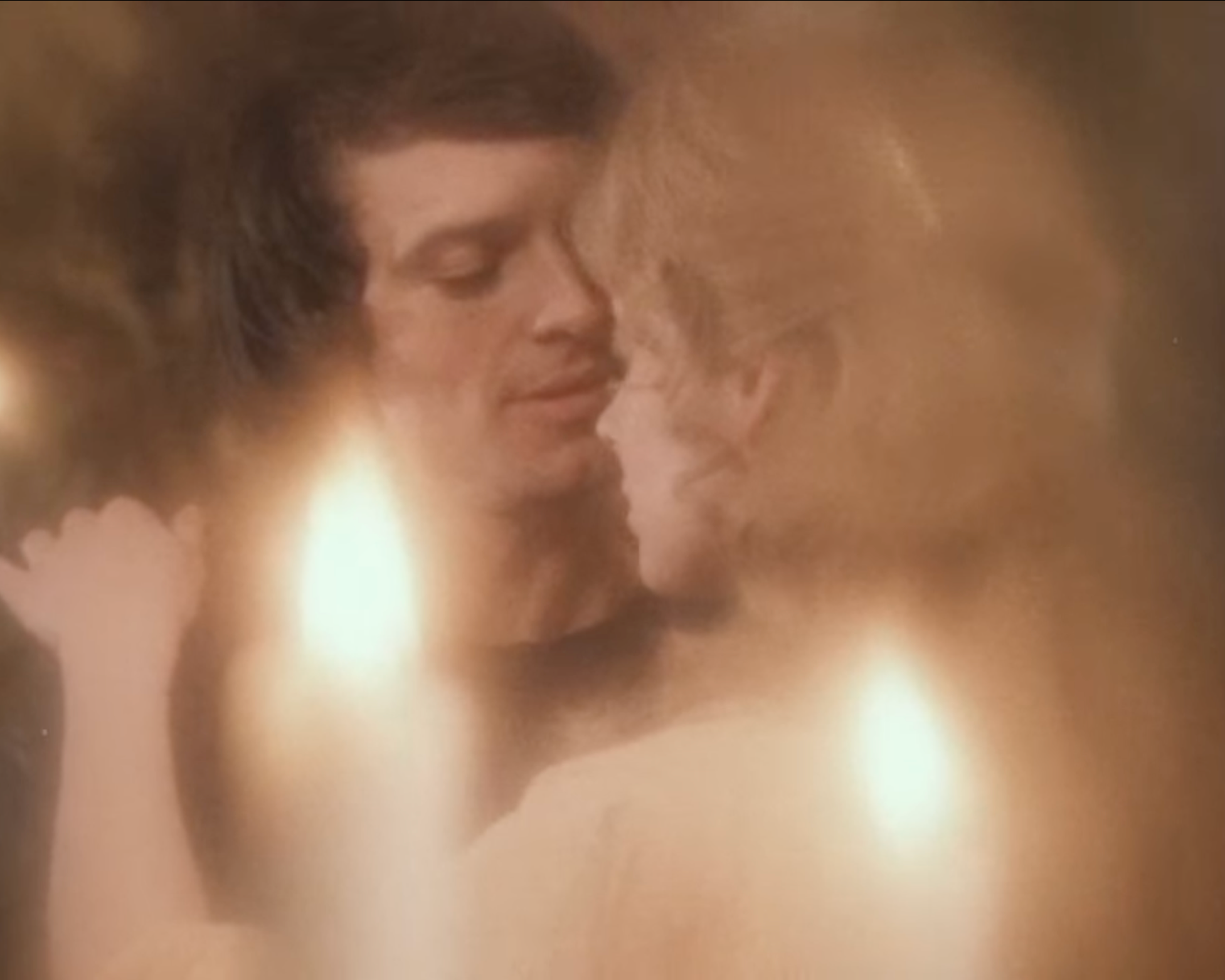
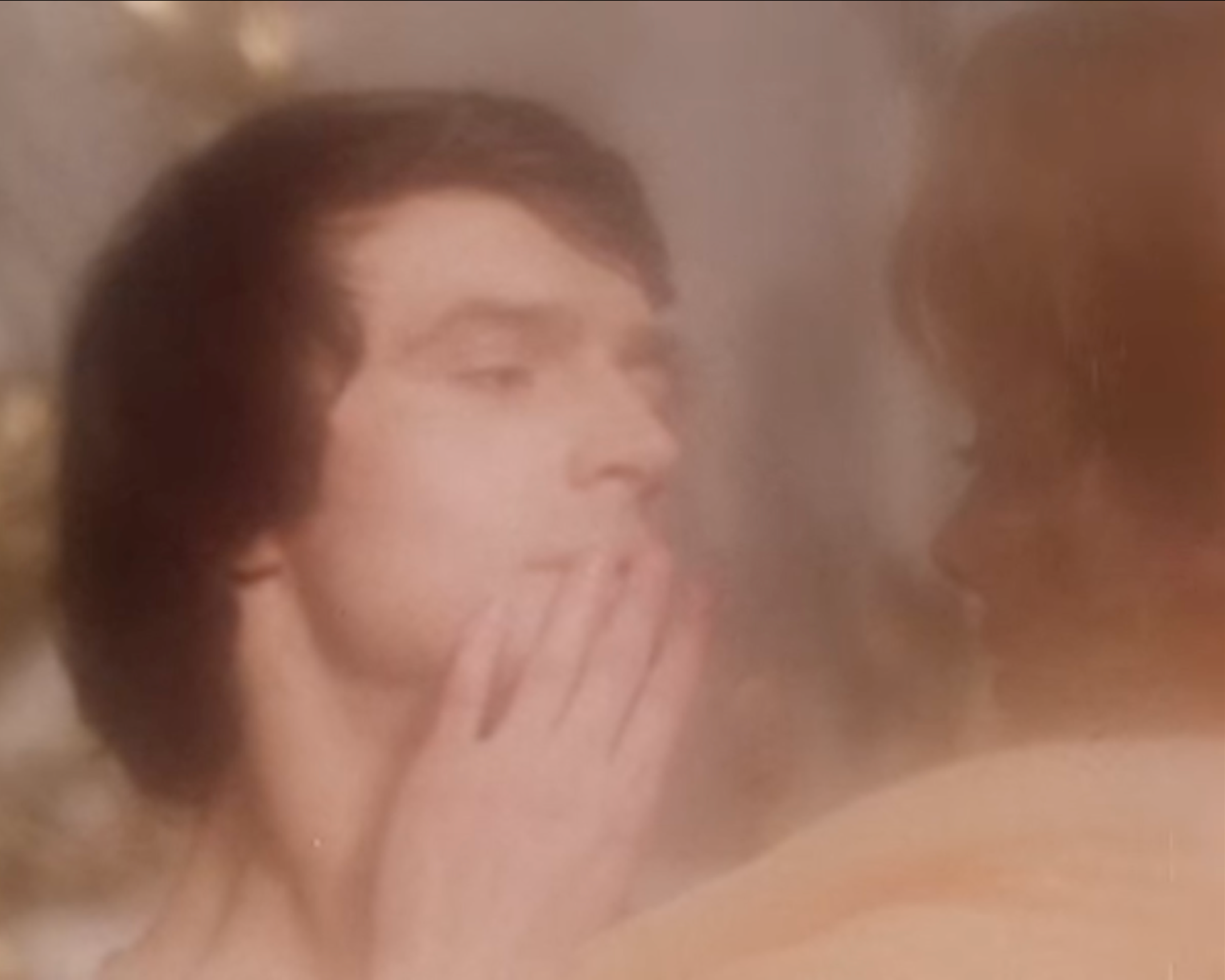
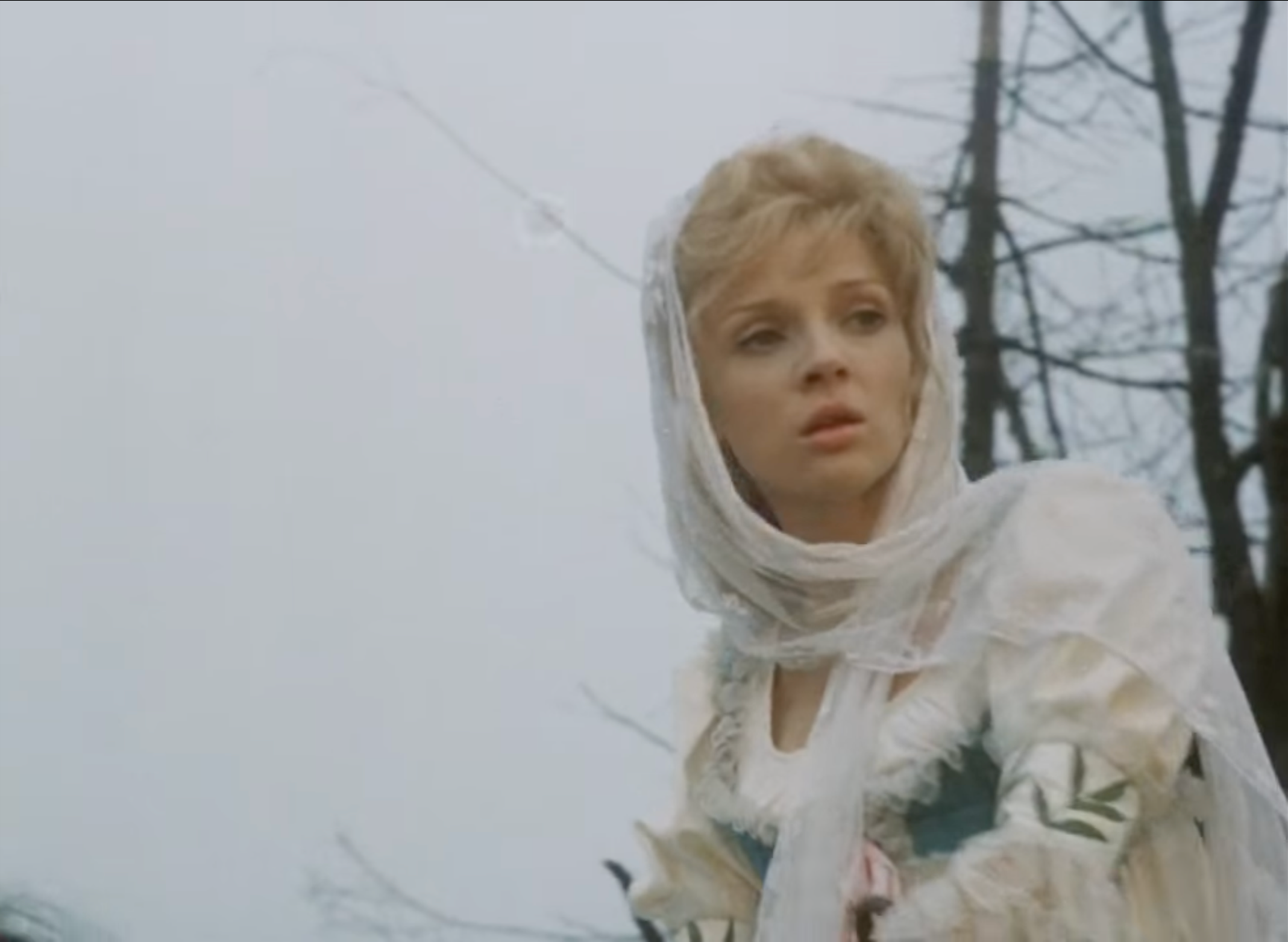
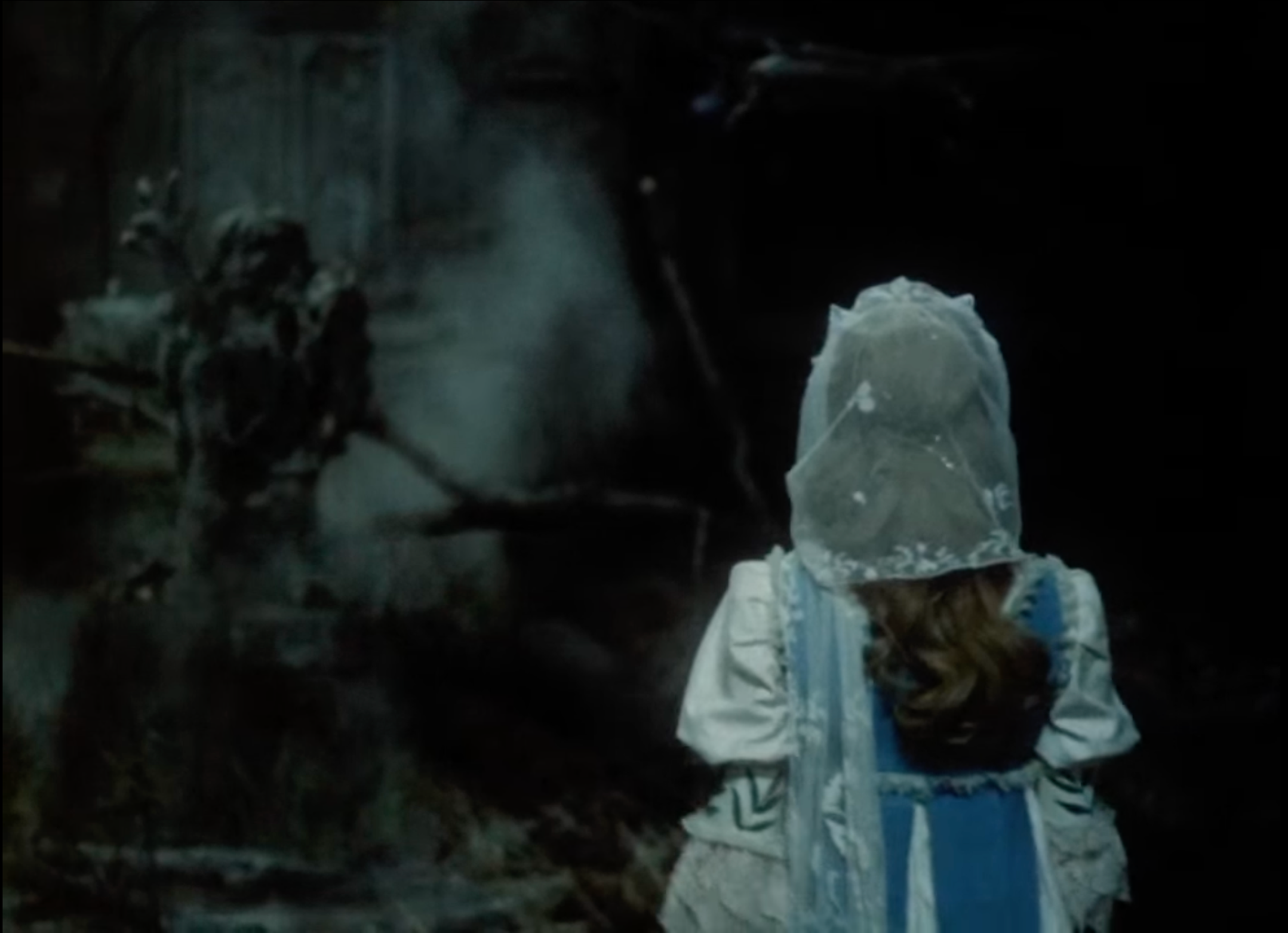
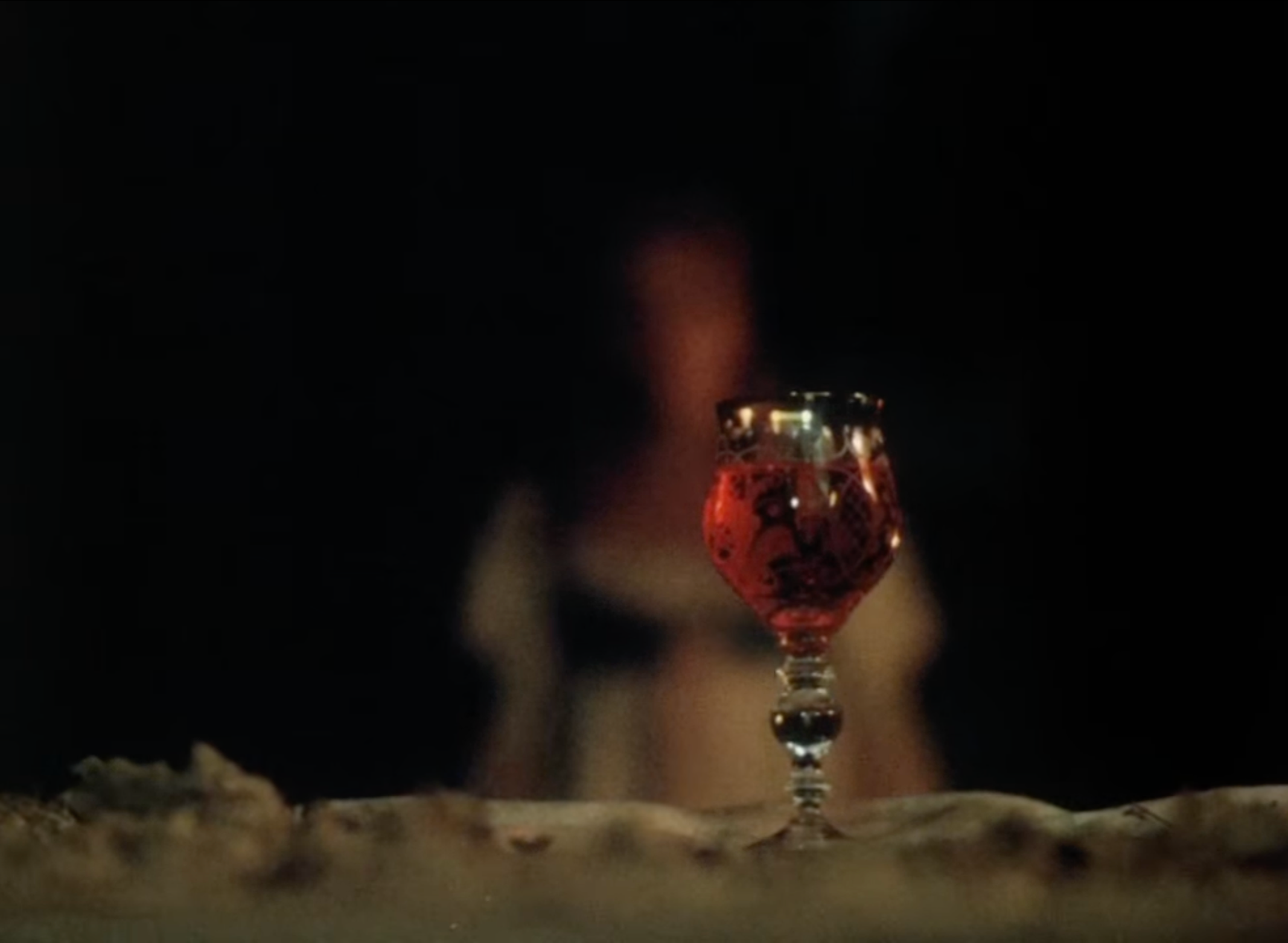
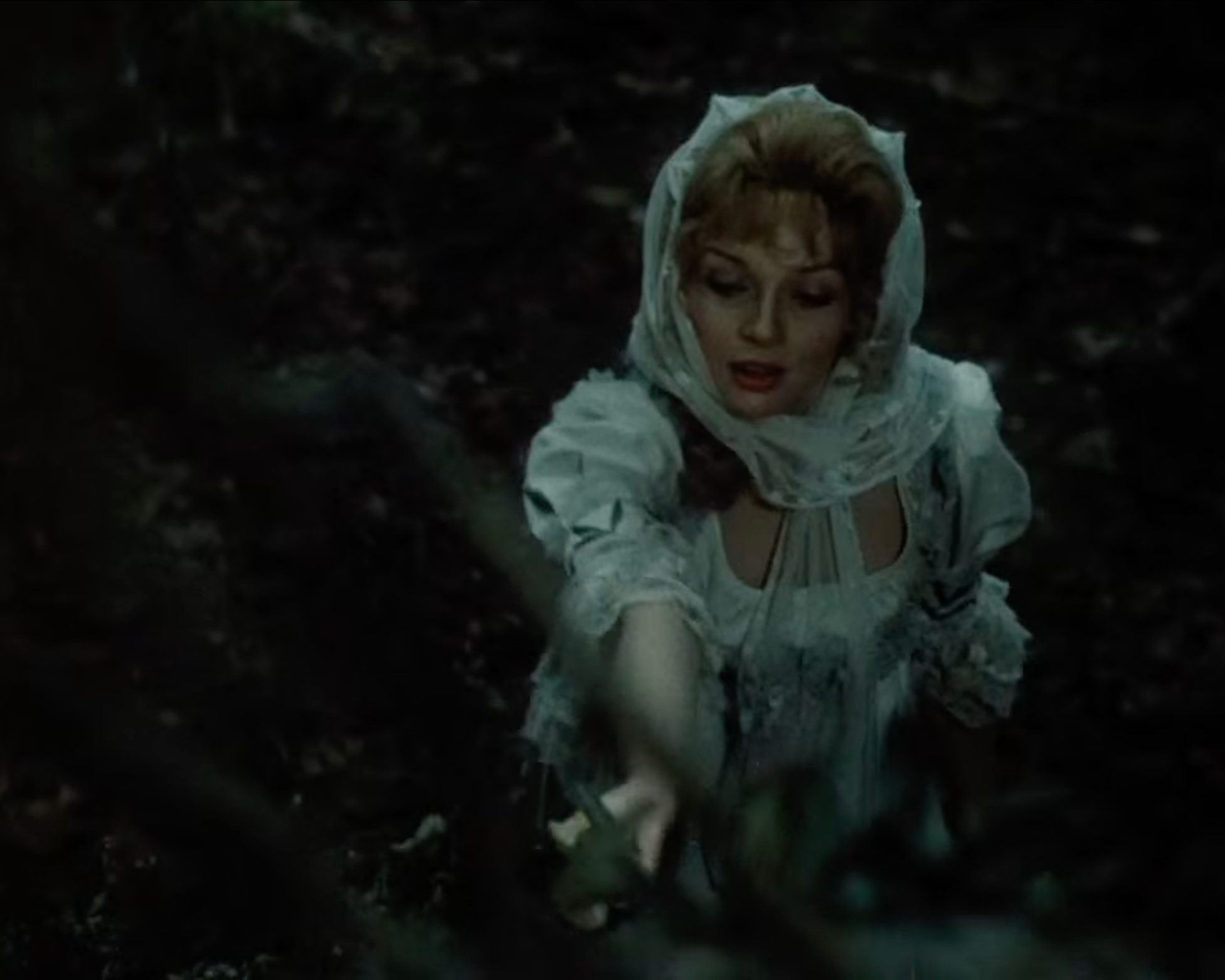
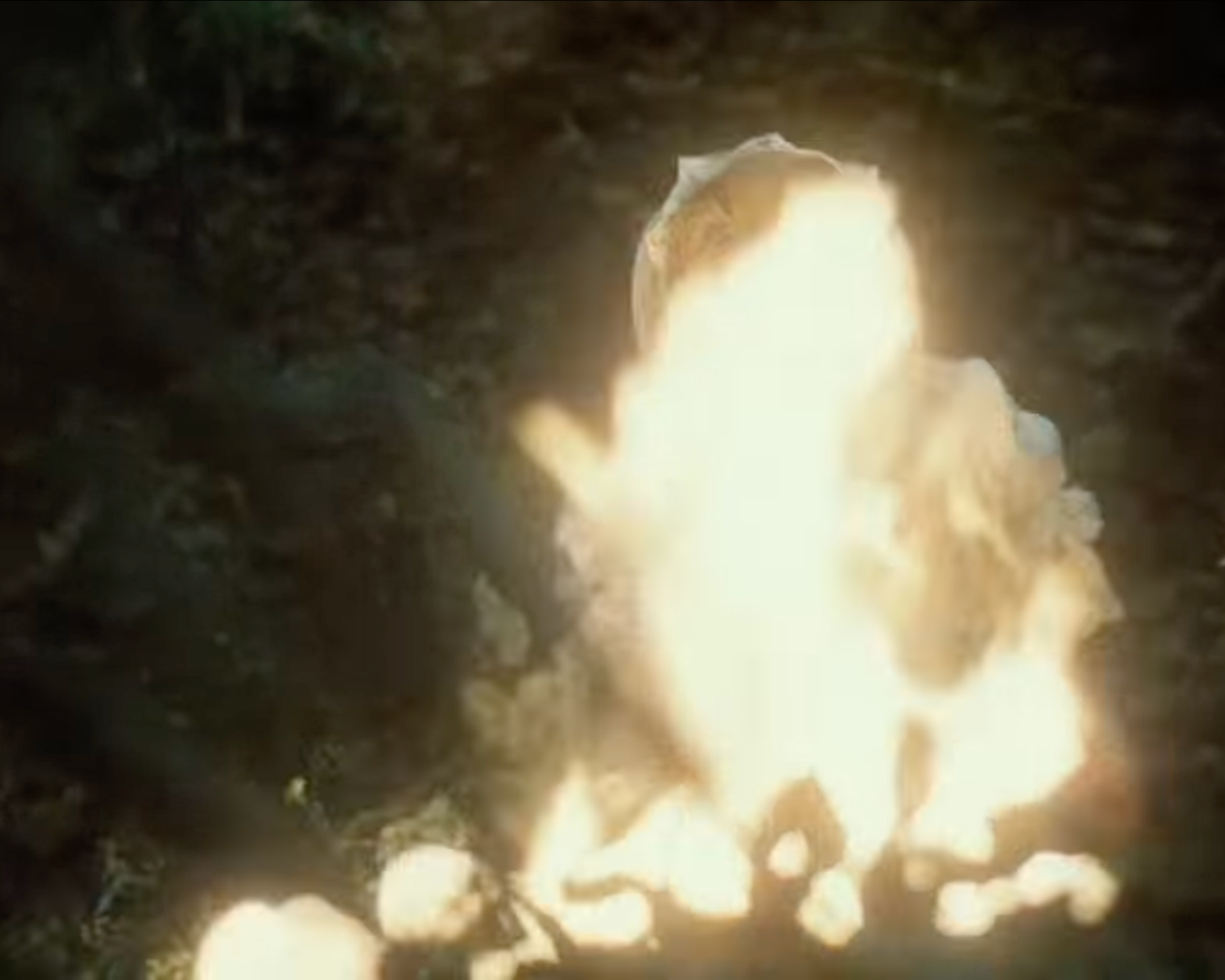
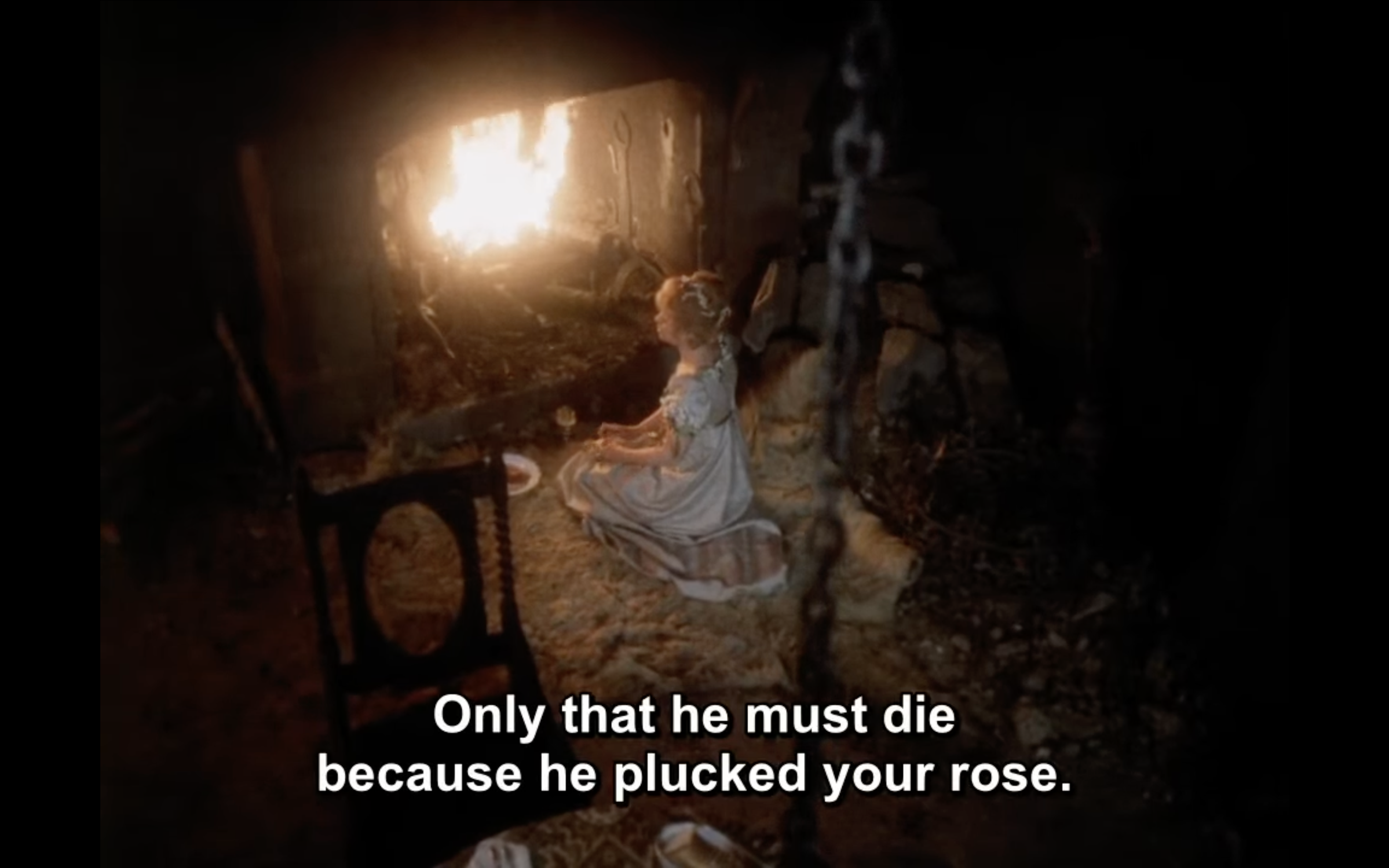
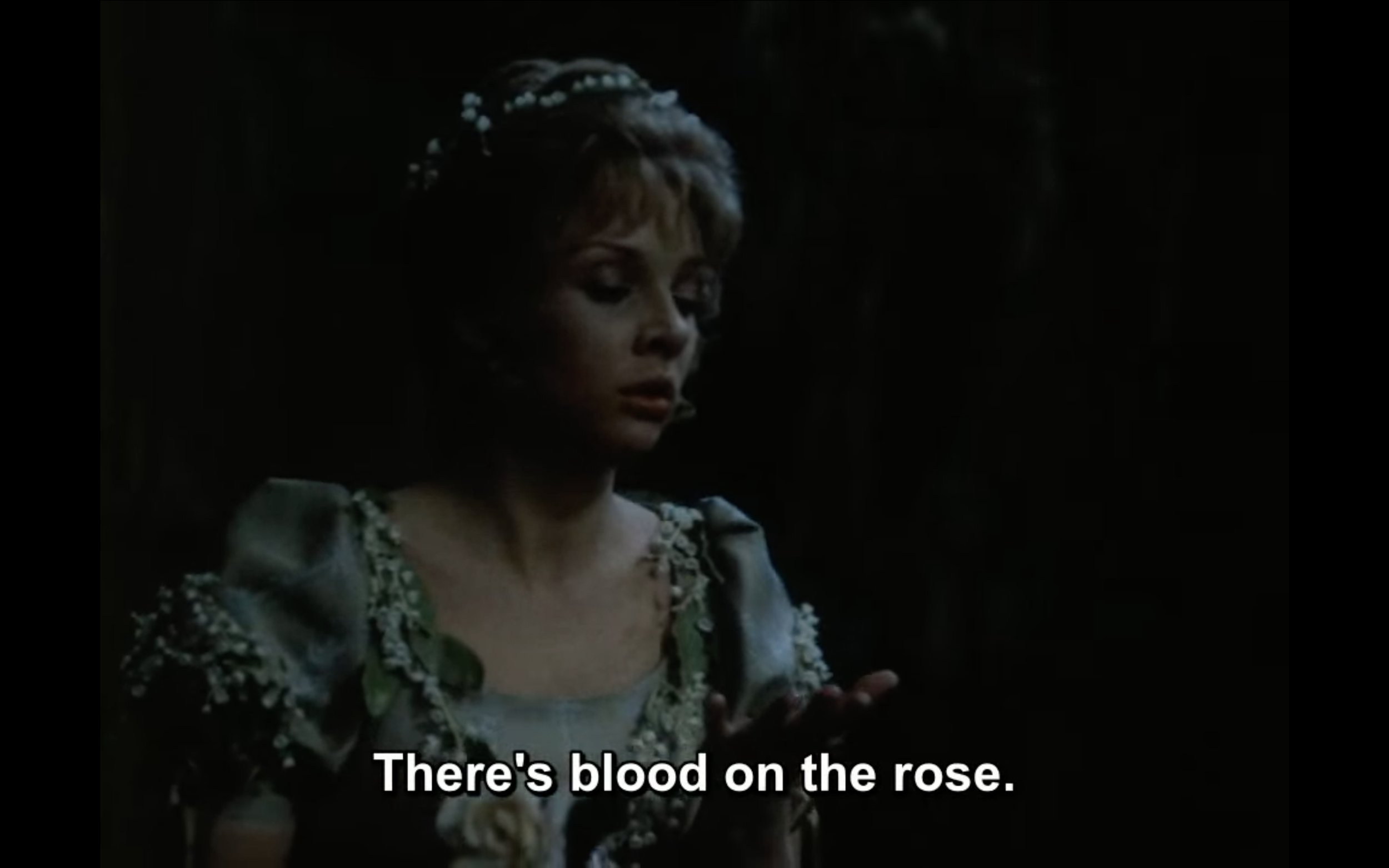
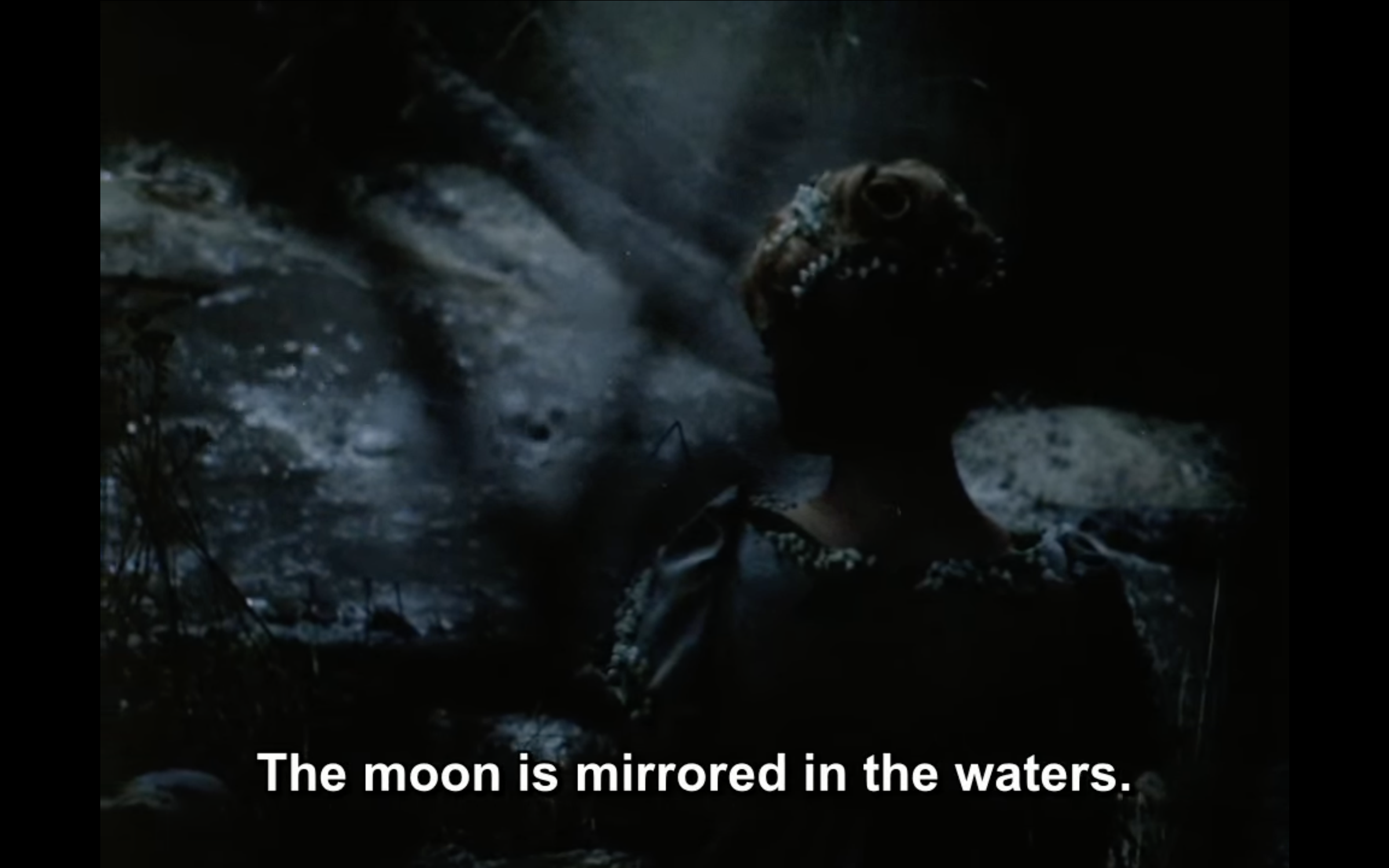
The film’s visual storytelling reinforces this tension. Scenes are often shot from striking angles, with rare perspectives and careful compositions. Many of these moments are captured in the stills I’ve shared, but seeing them in motion amplifies the careful orchestration of the cameraman and the director. I loved the dichotomy between the dusty blue scenes of reality and the pale gold dream sequences.
The palace itself — a derelict, stone charnel-house littered with leaves — felt alive, nature creeping inside as though claiming the ruins. Every time the Monster stalked the Virgin from the shadows, the intonations of an organ whispered over his inner demon, urging him to kill Beauty or himself.
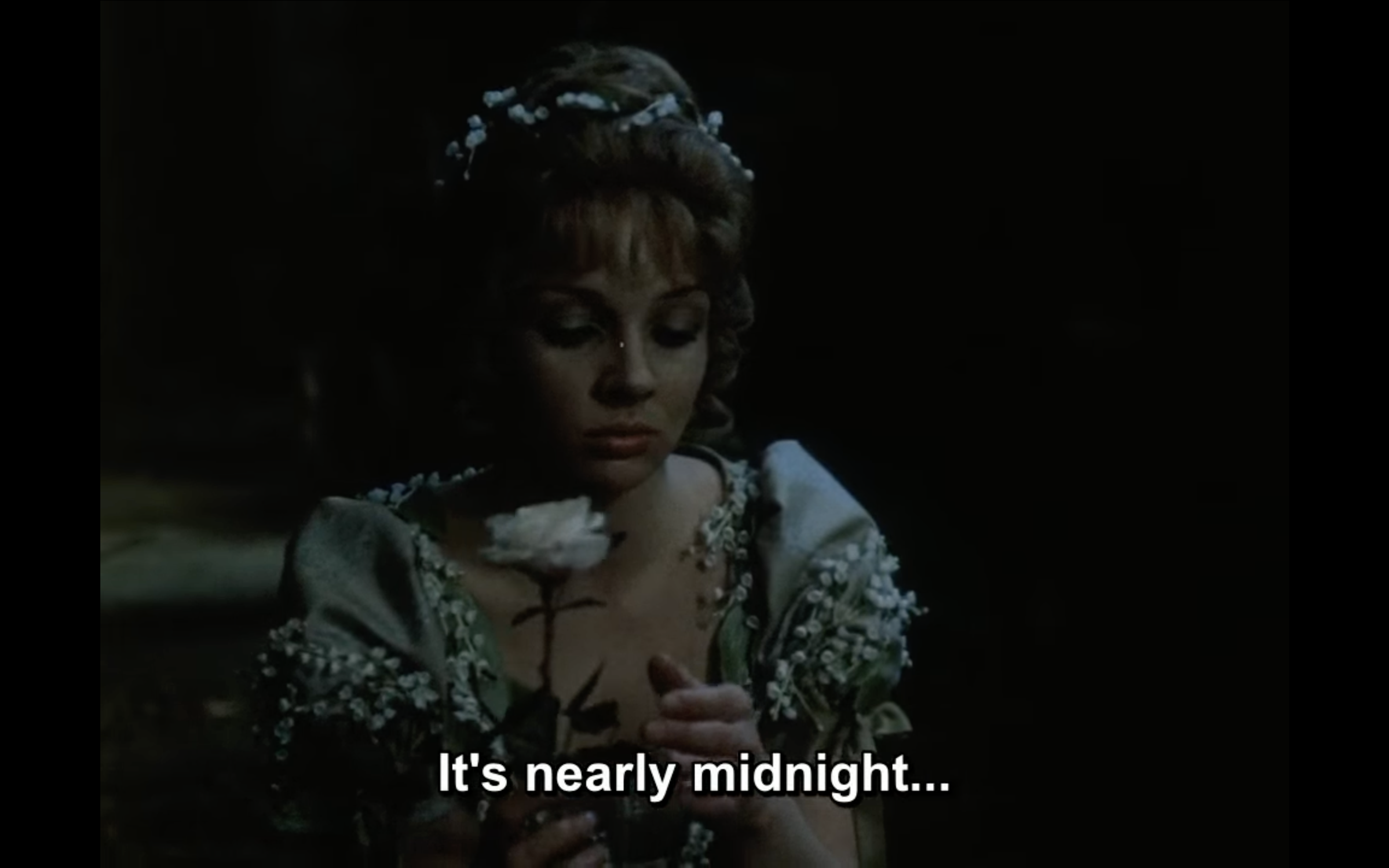
The costume design by Irena Greifová was indelibly stunning, evoking the sumptuous elegance of the Regency era — like a vintage Bridgerton tinged with the mystique of the New Wave. Hertz’s interpretation of the enchanted inhabitants enacting the haunted nature of the castle added a charming layer to the story, further deepening its occult undertones.
The film also resonated on a deeply personal level. My ex-lover and I, in looks as much as in memory, resembled the Virgin and the Monster. That echo of self and other made the story feel especially poignant, as though its ancient, gothic rituals were refracted through the lens of my own experience.
She
Loves Me Not
There isn't much I did not like about this film, though The Virgin and the Monster (1978) does take its time finding its pace. The opening passages unfold slowly, and the narrative does not fully cohere until the Virgin leaves her home and enters the forest in search of the Monster. Once the film makes this shift, its thematic and visual power become unmistakable.
My only other reservation lies not with the film itself, but with its availability. Experiencing it in higher quality would undoubtedly enhance its impact, and the film feels uniquely well-suited for a thoughtful modern restoration — or even a remake — that could preserve its atmosphere while clarifying its aesthetic depth.
You can watch The Virgin and the Monster for free at Rare Film.
Director: Juraj Herz
Writer: Juraj Herz, Ota Hofman, Frantisek Hrubín
StarRING: Zdena Studenková & Vlastimil Harapes
Cinematographer: Jirí Macháne.
Composer: Petr Hapka
Costume Design: Irena Greifová
Set Design: Vladimír Labský
You May Also Like